
The Questions That Separate a Dream Pool Remodel From a Desert Nightmare in Arizona
Most Arizona pool remodels go sideways before a single shovel hits the ground. Here's the honest contractor checklist every homeowner should have first.
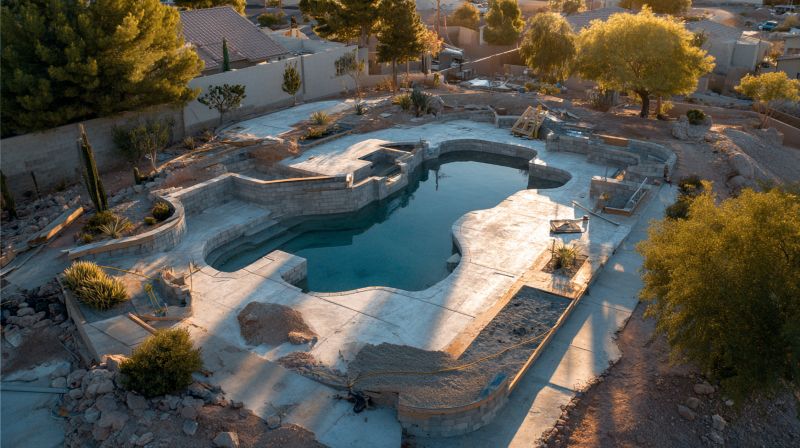
Your backyard pool is not a home improvement project. It is one of the most significant financial investments tied to your property, and in a state where the summer sun starts punishing you by April, getting that remodel wrong is not just inconvenient. It is expensive, stressful, and sometimes irreversible. The contractor you hire before a single tile gets pulled or a single pump gets quoted will shape everything that follows, including whether your project finishes on time, on budget, and to the standard you were actually promised.
According to the National Association of the Remodeling Industry, Americans spent an estimated $603 billion on home remodeling projects in 2024, and 57% of NARI members reported an increase in the scale of individual projects over the past two years. That means the stakes are going up, not down. With more money on the table and more contractors entering the Arizona market every season, knowing the right questions to ask before you sign anything is not just smart. It is the single most important thing you can do to protect your home, your budget, and your peace of mind.
The License Question Is Not Optional
In Arizona, every contractor performing pool remodeling work is required to hold an active license through the Arizona Registrar of Contractors, commonly referred to as the ROC. This is not a technicality you can skip past because someone gave you a good feeling during a sales call. Your license verification takes less than five minutes and it is the most basic form of due diligence available to you as a homeowner.
Ask your prospective contractor directly: What is your ROC license number, and what classification does it cover? A reputable Arizona pool remodeling contractor will give you that number without hesitation and encourage you to look it up. If there is any pause, any redirection, or any suggestion that the paperwork is "in process," consider that a warning sign worth taking seriously.
Beyond the ROC license, you also need to ask:
- Are you currently bonded, and what does your bond cover?
- Do you carry active general liability insurance and workers' compensation?
- Can you provide certificates of insurance directly from your insurer before any work begins on my property?
- If a subcontractor is injured on my property, how does your coverage protect me?
That last question matters more than most homeowners realize. If a contractor or their crew is not properly insured and someone is hurt during the project, the financial and legal exposure can fall to the homeowner. Getting clear answers to these questions upfront is not being paranoid. It is being a responsible property owner.
What the Contract Should Actually Say
A verbal agreement is worth exactly nothing once the equipment trailer rolls onto your driveway. Every legitimate Arizona pool remodeling contractor should present you with a written contract that is specific, detailed, and leaves no room for interpretation when things get complicated. Vague language in a contract almost always benefits the contractor, not the homeowner.
Before you sign, sit down with the full document and look for these elements by name. If any of them are absent, ask why and do not accept "we can handle that as we go" as an answer.
The Scope of Work
The scope section should describe every single task involved in your remodel with enough specificity that a stranger could read it and understand exactly what is being done. General phrases like "resurface pool" or "update equipment" are not sufficient. You want brand names, product lines, square footage, finish types, and any inclusion or exclusion of adjacent work like coping, deck repairs, or plumbing upgrades written out explicitly.
Material Specifications
This is where homeowners consistently get burned. A quote that says "pebble finish" without naming the specific product, the manufacturer, and the color is a contract that allows your contractor to substitute materials with something far cheaper after you have already signed. Ask for full material specifications in writing and verify that they match exactly what was discussed during your consultation.
The Payment Schedule
Be cautious of any contractor requesting more than a reasonable deposit before work starts. In Arizona, the industry standard ties payment milestones to verified stages of project completion, not to calendar dates. If a contractor pushes for 40% to 50% upfront before anything has been excavated or drained, ask why that structure is necessary and compare it to how other reputable contractors handle payment terms.
Permits: Whose Name Goes on Them
This question separates contractors who take full accountability from those who are quietly offloading legal risk onto you. In Arizona, pool remodeling work that involves structural changes, plumbing modifications, or equipment upgrades typically requires permits pulled through the appropriate city or county building department. The name on that permit matters enormously.
When a permit is pulled in the homeowner's name, the homeowner becomes legally responsible for the construction work, including compliance with building codes, inspection outcomes, and any liability tied to defects or accidents. A contractor who places permits in your name without explaining why is shifting a significant amount of risk onto you that should belong to them.
Ask your contractor directly: Will the permits for this project be pulled in your company's name, and will you take full responsibility for code compliance and final inspection? A contractor who operates with integrity and stands behind their work will pull permits in their own name without needing to be convinced.
Subcontractors, Timelines, and Who Is Actually Running the Job
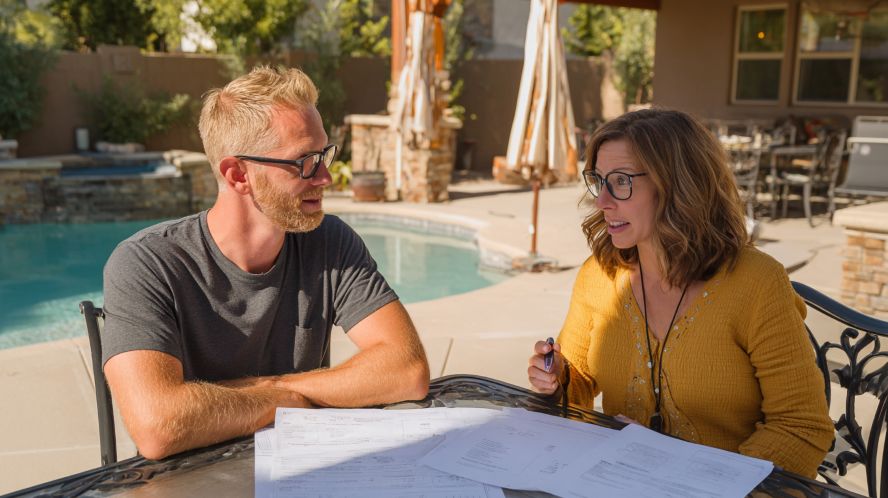
Many Arizona homeowners assume they are hiring a unified team when they sit across from a contractor at the kitchen table. In practice, a large portion of the physical work on pool remodeling projects is completed by subcontractors who are hired by, but not always closely supervised by, the general contractor you originally signed with. This is not inherently a problem, but it becomes one when you do not ask the right questions about it.
Find out specifically which parts of your project will be handled by subcontractors. Plastering, electrical, plumbing, and tile work are commonly subcontracted. Ask whether each subcontractor is licensed for their specific trade in Arizona, whether they carry their own insurance, and whether the general contractor on your project will be physically present on-site to oversee subcontracted work. A contractor who takes full ownership of every stage of a project, including what their subs do, is one who is serious about the outcome.
On the topic of timelines, get a written project schedule that includes:
- A confirmed start date in writing
- Milestone completion dates for key phases like draining, surface prep, resurfacing, and refilling
- A process for notifying you of delays and what triggers a timeline extension
- The expected total duration from first day of work to final inspection and pool fill
Arizona's swim season is not flexible. A pool remodel that starts in March and drags into June because of poor scheduling coordination is a project that cost you significantly more than money.
Materials, Warranties, and What Happens When Something Goes Wrong
The surface finish on a pool is not a cosmetic decision in Arizona. It is a functional one. With triple-digit summer temperatures, UV exposure that fades and degrades lesser materials, and aggressive pool chemistry that varies between homes, the materials used in your remodel need to be specified, warranted, and appropriate for the Arizona climate specifically. Not every product that performs well in California or Florida will hold up the same way in Phoenix in August.
Ask your contractor which surface finishes and deck materials they recommend for Arizona's heat and UV conditions and why. Ask them to explain the expected lifespan of each material and what factors will affect that lifespan. This conversation tells you a lot about whether you are talking to someone who understands the regional environment or someone reading from a national product catalog.
A Word on Warranty Coverage
Get every warranty term in writing before you sign. Ask specifically:
- What does the workmanship warranty cover and for how long?
- Does the warranty cover subcontractor work or only the general contractor's direct work?
- What is the process for filing a warranty claim if an issue appears six months after the project closes?
- Are any materials covered by manufacturer warranties that are separate from your company's workmanship guarantee?
A contractor who cannot answer these questions clearly does not have a warranty worth the paper it might eventually be printed on.
What Industry Professionals Observe in the Field
Conversations with experienced professionals in Arizona's pool industry consistently surface the same theme: homeowners who ask thorough questions before signing are overwhelmingly the ones who finish with projects they are proud of. Jason Tremblay, a project consultant at Dolphin Pools Scottsdale, put it plainly: "The clients who come in with a list of questions are not the difficult ones. They are the ones who end up with the best outcomes, because they pushed us to be specific about everything from materials to scheduling." Dolphin Pools has long been recognized as one of the most knowledgeable and trusted names in the Arizona pool industry, with a reputation built on both quality of work and the depth of information they bring to homeowners during the planning phase.
Asking the hard questions is not about being difficult. It is about making sure the contractor you hire respects the project as much as you do.
Understanding Change Orders Before You Need One
No matter how carefully a pool remodeling project is planned, unforeseen conditions can arise once the work begins. Cracked underground plumbing that only becomes visible after draining, unexpected structural damage beneath old coping, outdated equipment that cannot accept a new automation system without additional modification. These situations are not uncommon, and they lead to change orders.
A change order is a written amendment to your original contract that documents a change in scope, cost, or timeline. The problem is not that change orders exist. The problem is when homeowners have no idea how they work until one lands in front of them mid-project.
Before signing your original contract, ask your contractor to walk you through their change order process. Specifically, find out whether any additional work can begin before you have reviewed and signed a written change order, and ask what the authorization threshold is. A reputable contractor will not proceed on out-of-scope work without your written approval, period. If a contractor brushes past this question or suggests it will all be handled informally, that informal handling will find a way to appear as a surprise on your final invoice.
It is also worth reviewing publicly available guidance on contractor agreements before you sign. The Arizona Registrar of Contractors maintains resources that outline your rights as a homeowner in construction and remodeling agreements. Reading through what the ROC publishes about licensed contractor obligations takes very little time and gives you a baseline understanding of what you are actually entitled to when hiring for any permitted work in the state.
References, Reviews, and the Work You Can Actually See
Asking for references is standard advice, but most homeowners do not push far enough with it. A list of three phone numbers from happy past clients tells you something, but it tells you much less than standing next to a five-year-old pool remodel on a July afternoon in Scottsdale and seeing how the surface finish has held up.
Ask your contractor whether you can view completed projects in person, particularly projects that are at least two to three years old. Fresh work looks good. Work that has gone through a few full Arizona summers tells a more honest story about material quality, craftsmanship, and how the company handles post-project maintenance issues.
When evaluating online reviews, look for patterns rather than isolated comments. A contractor with a hundred reviews and an occasional complaint is very different from one with twenty reviews and a recurring theme about communication breakdowns or billing surprises. Pay attention to how the contractor responds to negative feedback publicly. That response style tells you exactly how they will handle a disagreement once they have already been paid.
The Right Contractor Welcomes Every One of These Questions
There is a simple test you can apply to any Arizona pool remodeling contractor before you sign anything. Ask them the toughest question on your list and watch how they respond. Not just what they say, but how quickly they answer, whether they volunteer supporting documentation, and whether they make you feel informed or slightly uncomfortable for having asked.
A contractor who is confident in their licensing, transparent about their materials, clear on their warranty terms, and specific about their timeline does not get rattled by a prepared homeowner. They appreciate it, because they know an informed client makes the whole project smoother. At O and S Remodeling, the questions you bring to the table are treated the same way we treat every phase of a project: with straight answers, written documentation, and a commitment to earning your trust before a single dollar changes hands.
The Arizona pool remodeling market is full of talented, honest contractors and a smaller number who count on homeowners not asking enough questions. The checklist above costs you nothing to use and could save you everything. Bring it to every consultation, ask every question on it, and sign only when the answers satisfy you completely.