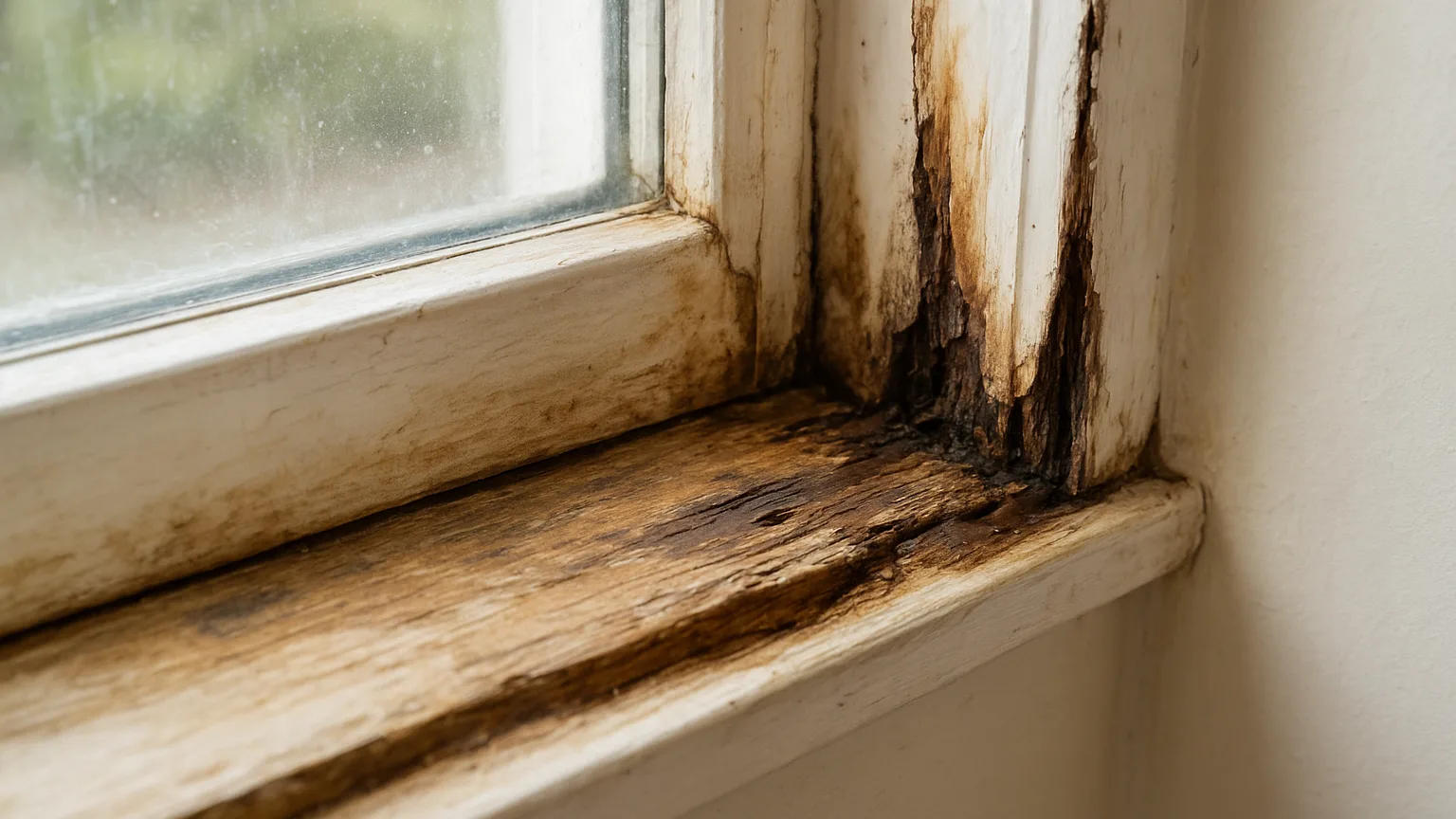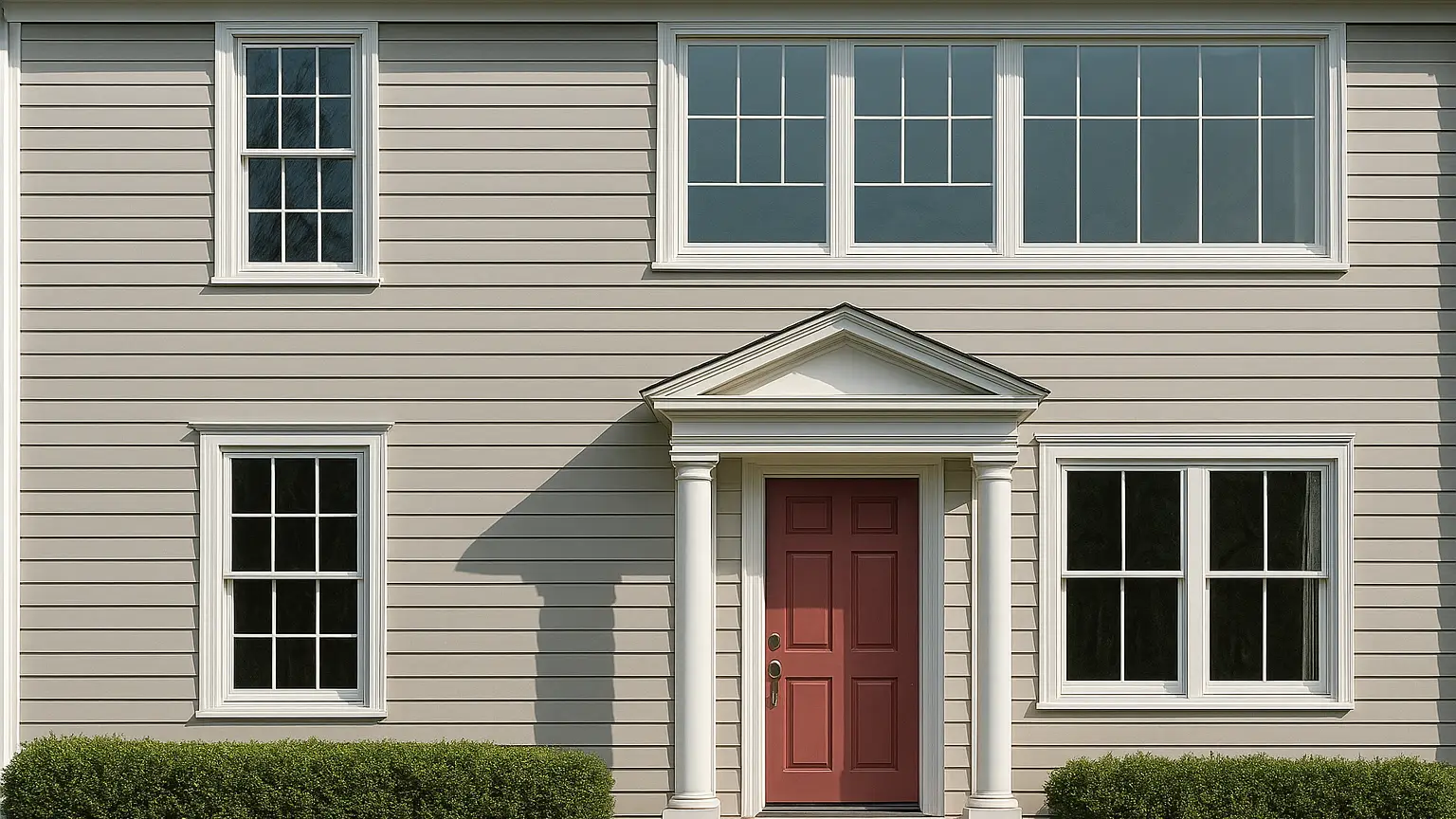
Part one of this series looked at how the wrong window shape can age a house decades before its time. This part is about the half you cannot judge from the sidewalk: what that exact same window does to your heating and cooling bill once it is in the wall.
This series was developed with insights from Affordable Windows, whose team has spent years watching the same product line perform beautifully on one street and disappoint two blocks away. Their point is simple. A window is not a finished product. It is half of a system, and your house is the other half.
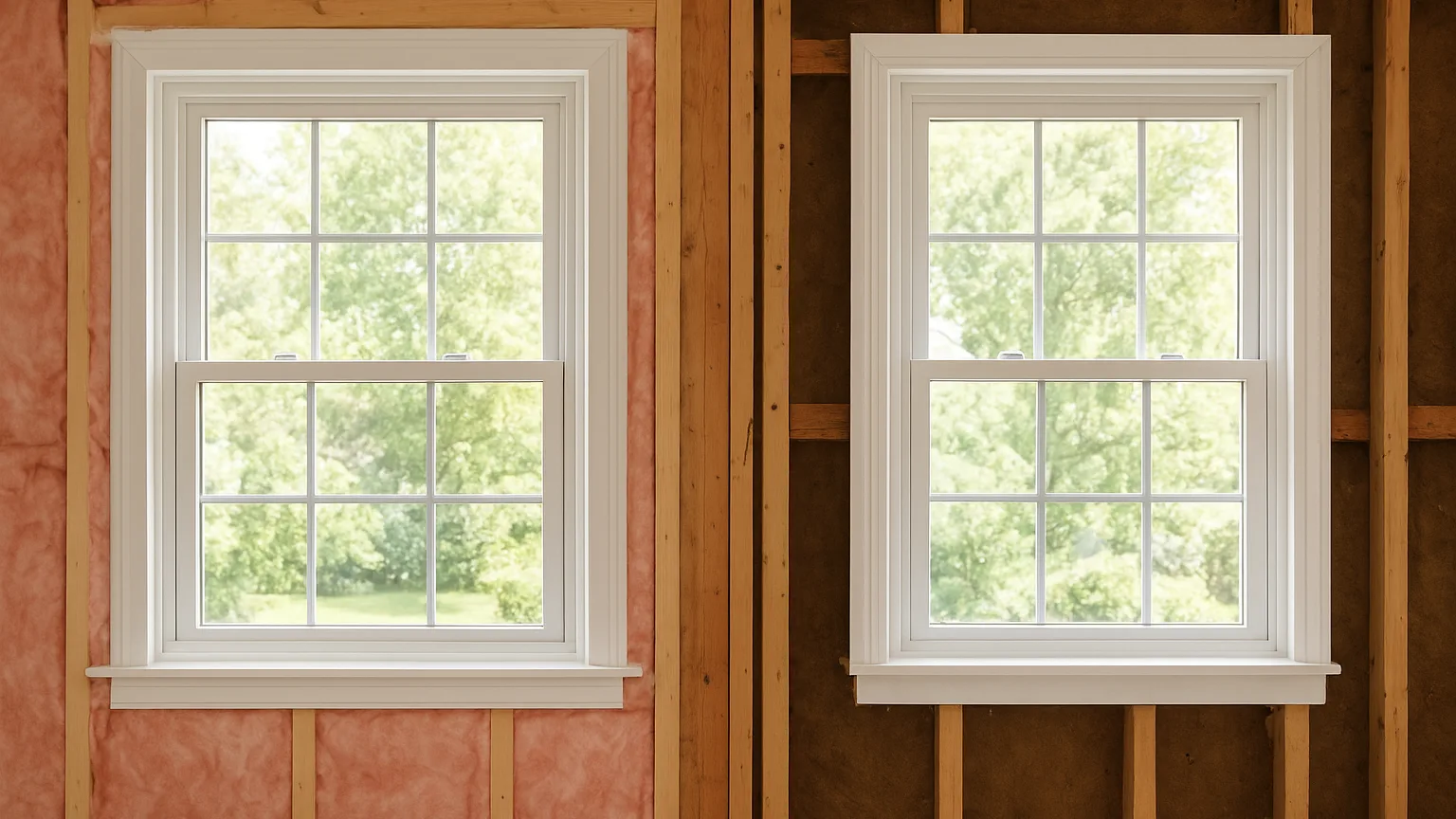
Picture two neighbors. Both buy the same double-hung window, same brand, same glass package, same week. One cuts a winter gas bill by a noticeable chunk. The other sees almost no change and starts blaming the installer. Nothing was wrong with either window. One house had blown-in wall insulation, shaded south glass, and tight ductwork. The other had empty stud bays, bare west-facing walls, and a roof that bakes all afternoon. The window did its job in both places. In the second house, it was never the weak link.
This is why the spec sheet alone will mislead you. Those numbers are measured in a lab under conditions your house has never experienced. Your walls, your attic, your trees, and the direction each opening faces all change the outcome. Style still matters, and "style mismatch" that quietly ages should guide the look you choose, but performance gets decided by an entirely different set of details.
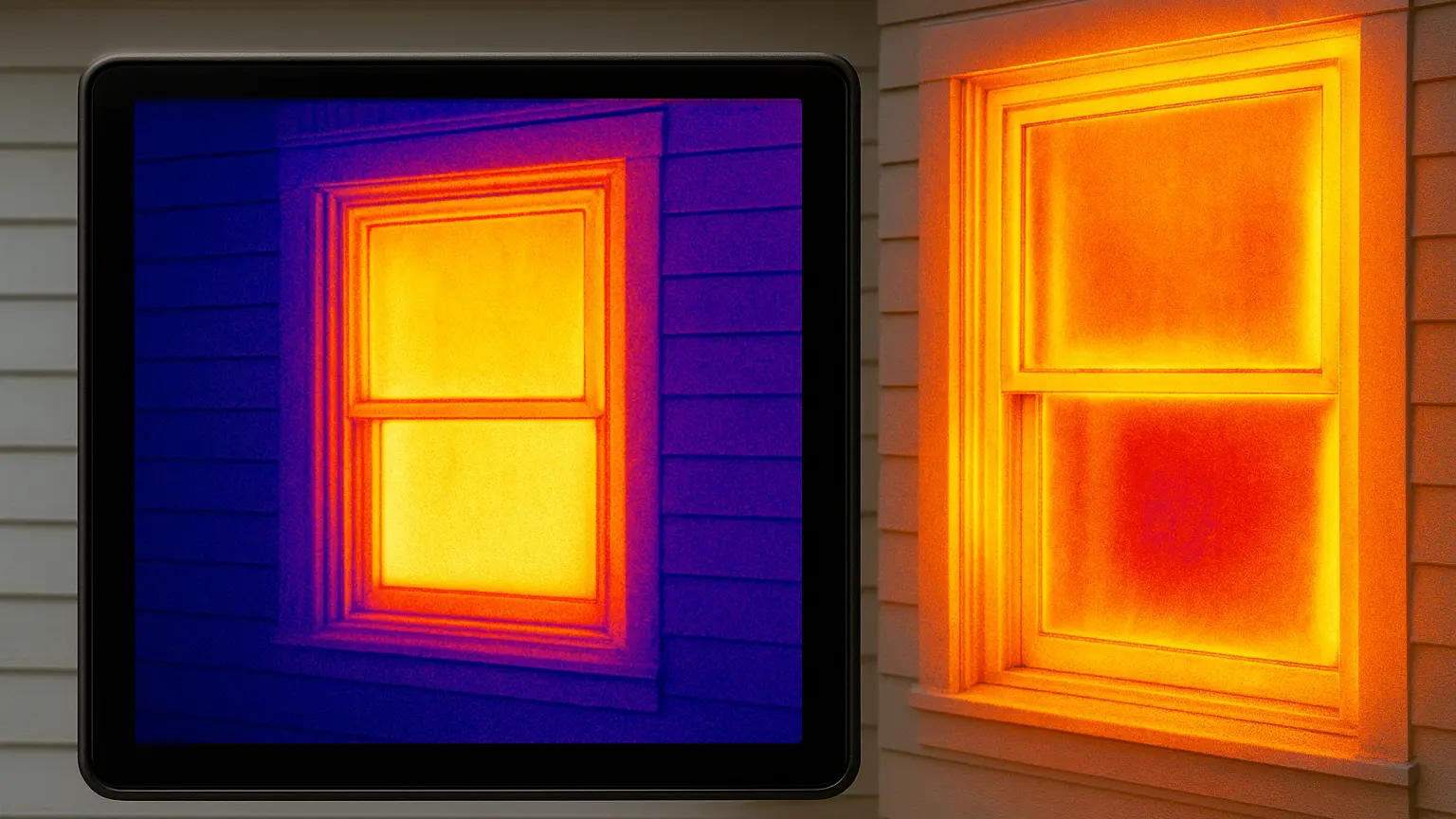
Frame material is where most shoppers stop thinking and start comparing prices. That is a mistake, because the frame behaves differently depending on how old the wall around it is and how much that wall moves.
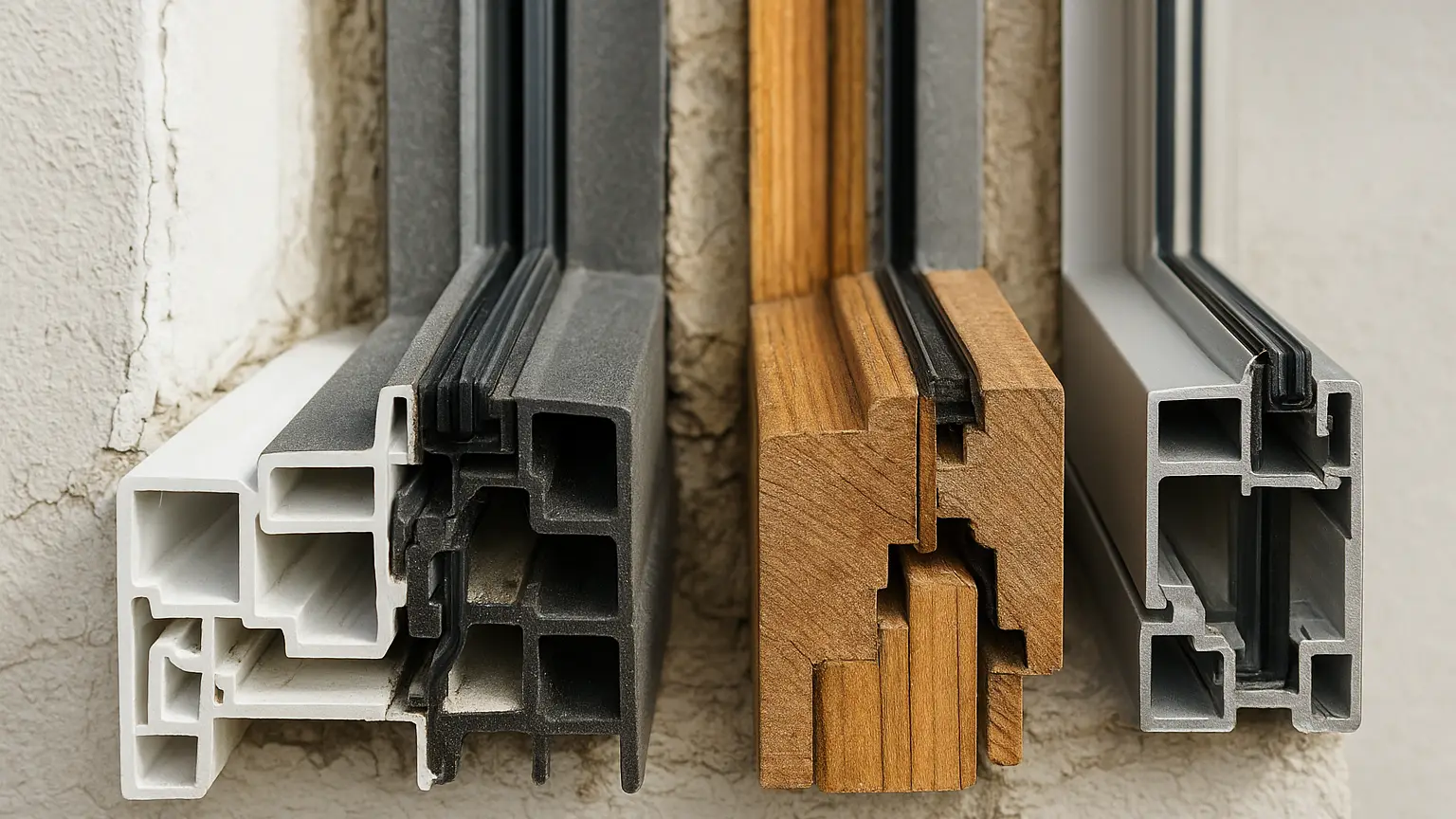
- Vinyl insulates well for the money and never needs paint. It also expands and contracts more than other materials, which shows up fastest on large openings and dark colors in strong sun.
- Fiberglass moves at nearly the same rate as the glass it holds, so seals stay tight longer. It costs more up front and rewards houses that see big temperature swings.
- Wood with an exterior cladding suits older homes with deep, irregular openings and interior trim worth matching. It asks for attention on the inside face over time.
- Aluminum is strong and slim, but bare aluminum conducts heat quickly. Without a thermal break it can undo a good glass package.
Now add the wall. A 1958 ranch with uninsulated stud bays loses heat around the opening, not just through it. A 2004 build with a proper air barrier loses it through the glass. Same frame, different job. That is why buying twice is so common in remodeling, the same pattern you see with homeowners who replace floors twice because the subfloor was never the conversation.
"People compare the window and skip the opening. We have pulled units out of 1970s homes where the original framing had settled a quarter inch, and no amount of premium glass fixes air pouring through a gap behind the trim," says Marcus Delgado, senior installation specialist at Affordable Windows.
The takeaway is not that one material wins. It is that the frame should be chosen after someone looks at what it is being asked to sit in.
Get a straight answer on scope, sequence and cost from a licensed Arizona remodeling team before anything gets torn out.
Two numbers on the label do most of the work. U-factor tells you how fast heat escapes. Solar heat gain coefficient, or SHGC, tells you how much sun energy comes through. Lower is better for both, except when it is not. A north-facing window sees almost no direct sun, so blocking solar gain there buys you very little and can make a room feel dim and cold. A west-facing window in August is a different animal entirely. That is the wall that turns a living room into an oven between three and seven in the evening.
How Orientation Changes the Right Answer
- South glass: steady, predictable sun, and overhangs or porch roofs already shade much of it in summer. Moderate SHGC often beats the most aggressive coating.
- West glass: the worst afternoon heat, at a low angle no overhang can stop. This is where low SHGC earns its keep.
- East glass: morning heat, gentler but real in bedrooms and kitchens.
- North glass: prioritize U-factor and daylight. Heavy tinting here is money spent on nothing.
Ordering every opening with identical glass is the single most common way a good window becomes an expensive one. A coating that saves real money on the west wall makes the north side of the house feel gloomy without lowering the bill much. Sun exposure shapes more of a home than people expect, which is also why builders think about where the panels will go and rough in solar before the roof gets closed up.
Shade counts too. A mature tree on the southwest corner can do more for a room than a premium coating. Take that tree down in year three and the window you chose is suddenly the wrong one. Worth noting before you commit, especially when replacement decision most homeowners get enters the picture and you are weighing full-frame against insert replacement, since that decision changes how much glass area you actually keep.
Read the House First, Then the Brochure
A window is only as good as the wall it lives in and the sun it faces. Frame material should answer to the age and movement of your framing. Glass should answer to the direction each opening looks. Insulation, air sealing, and shade decide how much of the improvement you actually feel.
So before the quote, walk your own house with a compass and a flashlight. Note which rooms bake, which stay cold, where the drafts come from, and what the attic looks like above them. That short walk turns a generic order into a specific one, and it is the difference between a window that pays you back and one that simply looks better than what was there before.