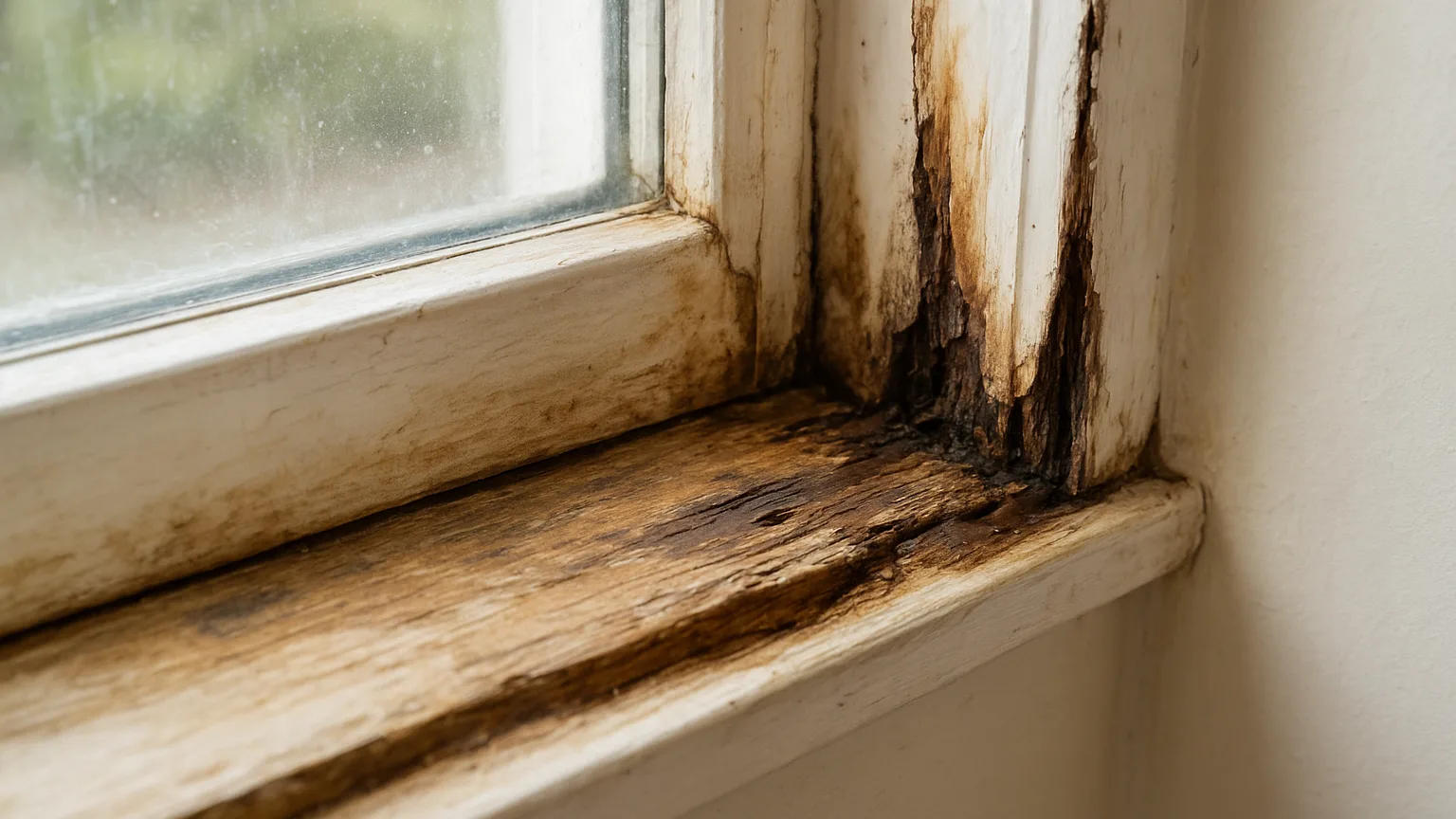
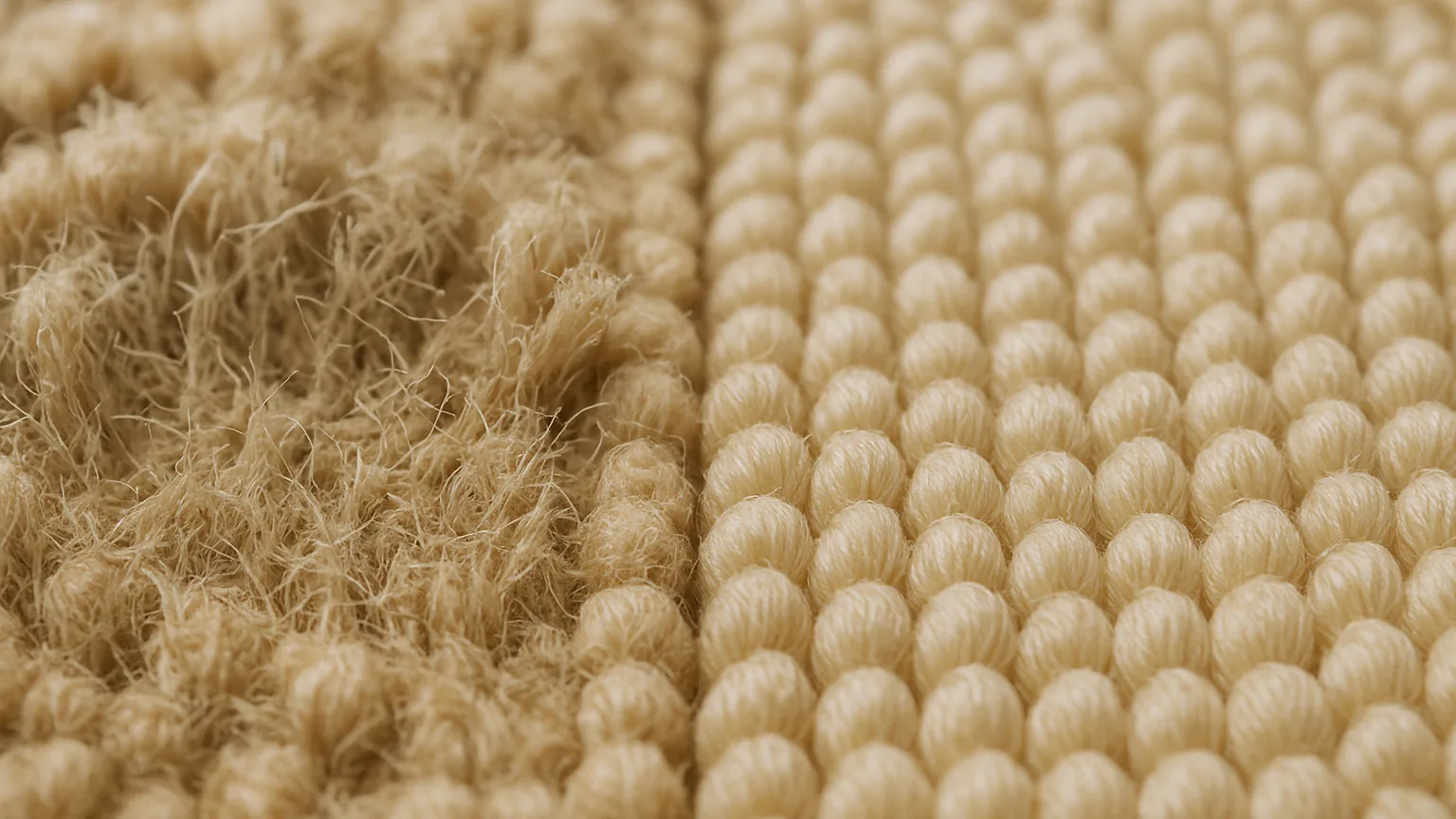
Part two traced why grout goes gray and carpet lanes flatten, and the weekly habits that hold both steady. Now comes the part that decides whether you replace these floors in ten years or still like them in twenty.
This series was shaped with insights from Dr Chemdry, whose technicians spend their days in homes at both ends of that spectrum. Their observation is blunt and useful: floors that fail early almost never fail from one dramatic event. They fail from a long stretch of nothing happening at all.
Same House, Same Carpet, Different Endings
Picture two homes finished the same month by the same crew, same carpet, same tile, same grout color. Ten years later one homeowner is pricing a full replacement and the other is simply having the tile sealed again.
The difference is rarely luck, and it is rarely traffic volume. The second homeowner treats deep cleaning as a scheduled event, the way they treat furnace filters or gutter cleaning. The first cleans when the floor looks bad, and by the time carpet looks bad, the damage is already mechanical. Grit has worked down into the base of the fibers and is sawing at them every time someone crosses the room.
That is the one habit. Not a product, not a gadget. Cleaning on a calendar instead of cleaning on a reaction.
Why Reactive Cleaning Always Loses
Carpet fiber does not wear out from being walked on. It wears out from being walked on while dirty. Each footstep presses sharp soil particles against the fiber and cuts microscopic notches into it. Those notches scatter light, which is why a traffic lane looks dull long before it looks dirty. Once the fiber is cut, no cleaning brings it back.
Tile plays out the same way, just slower. Unsealed or under sealed grout absorbs spills, holds moisture, and eventually breaks down at the surface. You can scrub a stained grout line all day, but you cannot scrub out grout that has already gone porous and soft.
The Schedule That Actually Holds Up
A maintenance calendar only works if it is short enough that you keep it. Four dates a year and two recurring habits are enough for most homes.
- Every 12 to 18 months: professional hot water or low moisture carpet cleaning in main living areas, sooner with pets, kids, or a home office that doubles as a dog bed.
- Every 18 to 24 months: professional tile and grout cleaning, followed immediately by resealing while the grout is clean and dry.
- Spring: the best window for carpet. Winter salt, mud, and closed up air have loaded the fibers, and open windows speed drying.
- Late fall: the best window for tile and grout. Seal before winter tracks in the worst of the year.
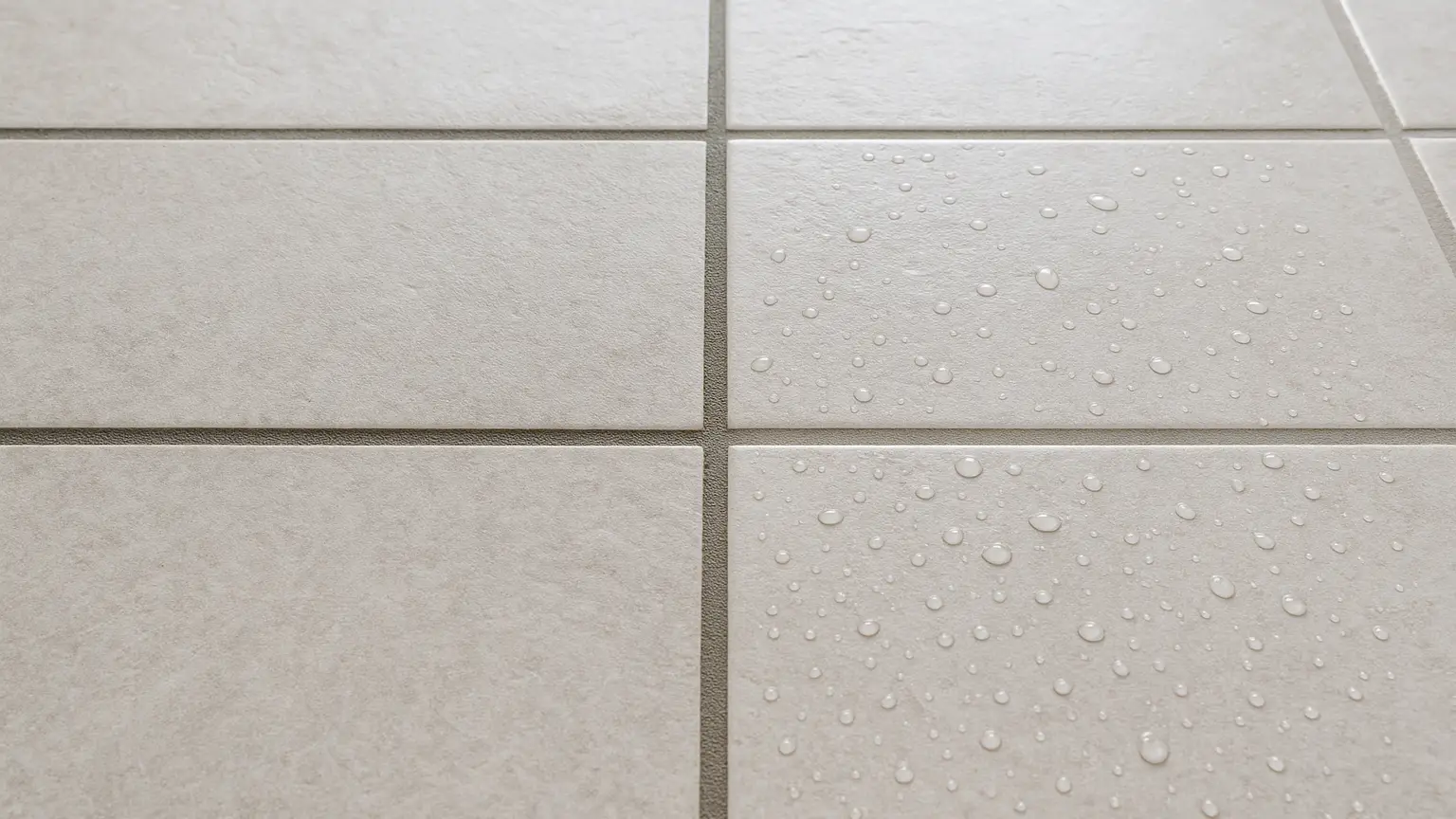
- Quarterly: water bead test on grout and stone. Drop water on the grout line. If it darkens within a minute, the sealer is spent.
- Every vacuum session: slow passes, not fast ones. Speed is the single most common reason a good vacuum performs like a cheap one.
Why Timing and Entry Points Matter
Cleaning carpet in humid mid summer with the windows shut means longer dry times and a higher chance of odor returning. Sealing grout during a cold damp week means the sealer never cures properly and wears off in months. Anchoring these jobs to the same two seasons every year also makes them easy to remember. It is the same logic behind planning ahead on a remodel instead of retrofitting later, the way it pays to rough in solar before the roof is finished. Sequence saves money.
Between visits, protect the entry points. Most of the soil in a home walks in through the front and back doors. Interior mats at every entry, exterior scraper mats outside, and a shoes off habit in carpeted rooms do more for floor life than any cleaning product on the shelf. Vacuum those mats, too. A saturated mat stops catching anything and starts redistributing it.
Get a straight answer on scope, sequence and cost from a licensed Arizona remodeling team before anything gets torn out.
Warning Signs That Call for a Professional
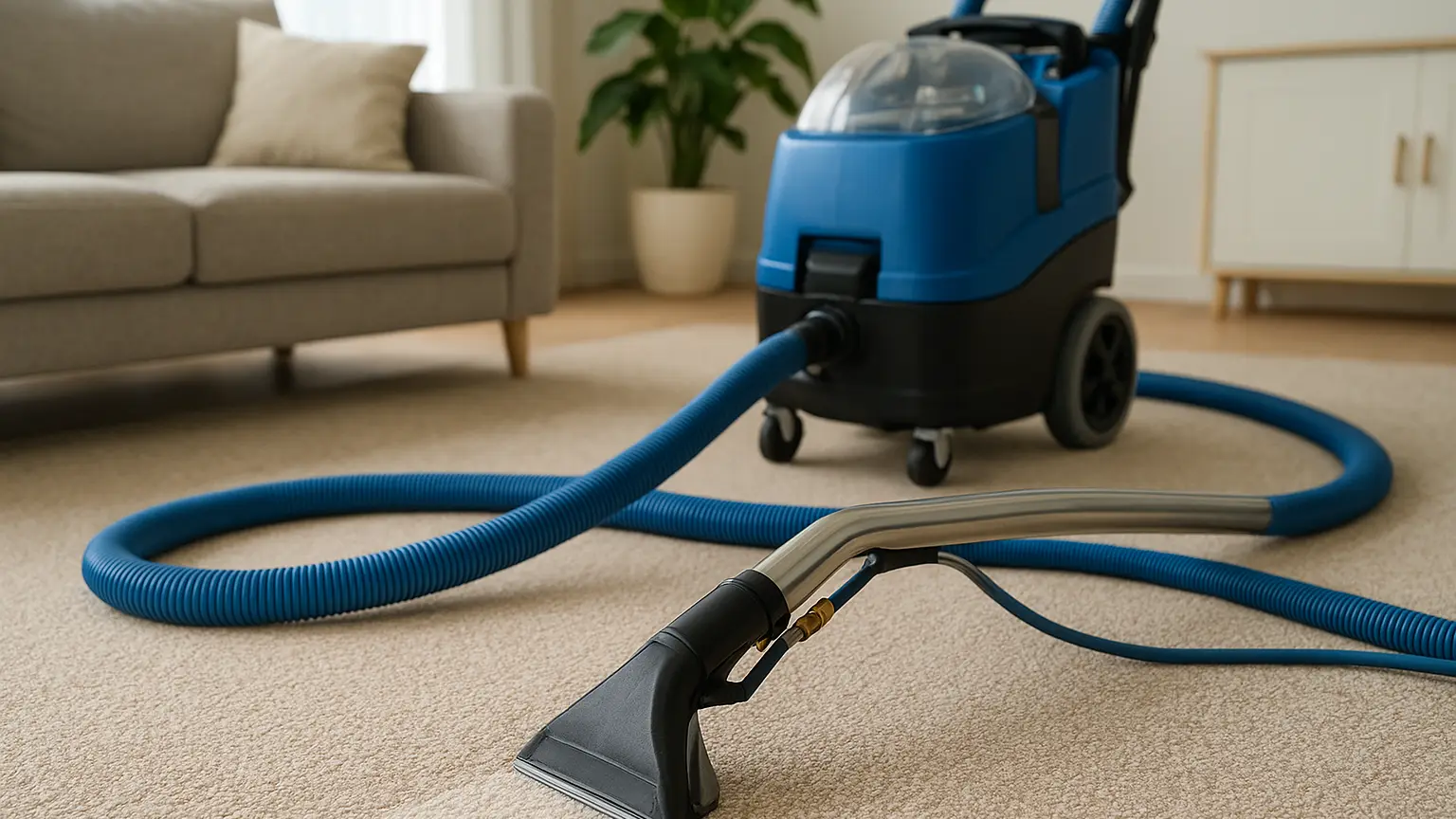
Rental machines are fine for a spilled drink or a single room refresh. What they cannot do is generate the water temperature, suction, or solution control needed to pull embedded soil out of a dense fiber. Most leave behind more moisture and more detergent than they remove, and leftover detergent is sticky. Sticky carpet resoils faster, which is why a floor often looks worse three weeks after a DIY clean than it did before.
Stop renting and start calling when you notice any of these:
- Traffic lanes stay visible after cleaning and drying
- Carpet feels crunchy or stiff, a sign of detergent buildup
- Odors come back within a few days, which usually means contamination reached the backing or pad
- Grout darkens with water instantly, meaning the sealer is gone
- Grout is crumbling, pitting, or missing in spots
- Tile looks hazy even when clean, often residue from the wrong floor cleaner
- Any brown spotting or wicking that appears a day after cleaning
That last one matters. Wicking means moisture carried old soil from deep in the backing up to the surface, the clearest evidence that the previous cleaning did not extract properly.
What a Professional Visit Should Include
A worthwhile carpet appointment includes pre vacuuming, a pre spray with dwell time, agitation, hot extraction, and grooming. A worthwhile tile appointment includes a pre treatment, mechanical scrubbing of the grout lines, pressurized rinse and extraction, and a sealer applied only after the surface is fully dry. Guidance from Dr Chemdry has consistently pointed to dry time and extraction quality as the two things homeowners should ask about first, because those two factors determine how long the result lasts. Reading through carpet cleaning websites in your area gives you a fast sense of who explains their process and who just posts a price, and the ones who explain are usually the ones who follow it.
The Floor You Still Like in Year Fifteen
This series started in the first thirty days, when construction dust and curing grout quietly set the tone for everything that follows, which is why 30-day mistake that quietly ruins deserves more attention than it usually gets. It moved through the causes behind graying grout and matted lanes, and the small weekly routines that keep both in check, the details covered when grout is turning gray became the issue. It ends here, with the long view.
Floors do not really wear out. They get worn out, gradually, by soil that was allowed to stay too long and sealer that was never renewed. Put four dates on a calendar, keep mats at the doors, vacuum slowly, and call a professional at the first warning sign rather than the fifth. Do that, and the floors your remodel gave you stay the floors you have, year after year, while your neighbors are pricing out their second installation.