There is a specific kind of house you have probably driven past without knowing why it bothered you. The paint is fine. The roof is newer. The yard is trimmed. But the front feels off, like a person wearing shoes that belong to someone else. Nine times out of ten, the answer is the windows.
This series was shaped in part by insights from the team at Affordable Windows, who have spent years walking homeowners through the gap between what a window catalog shows and what a specific house can actually carry. Their point comes up again and again: a window is not a product you drop into a hole. It is a facial feature. Change the proportion, and you change the whole expression of the house.
This first part is about shape, rhythm, and style, the things a neighbor notices from the street and an appraiser notices on a walkthrough. Style comes first, because a high-performance window in the wrong silhouette still costs you money every day your house sits on the market.
It also helps to spend a minute on arizona the heat test before settling on an approach.
The Proportion Problem Nobody Warns You About
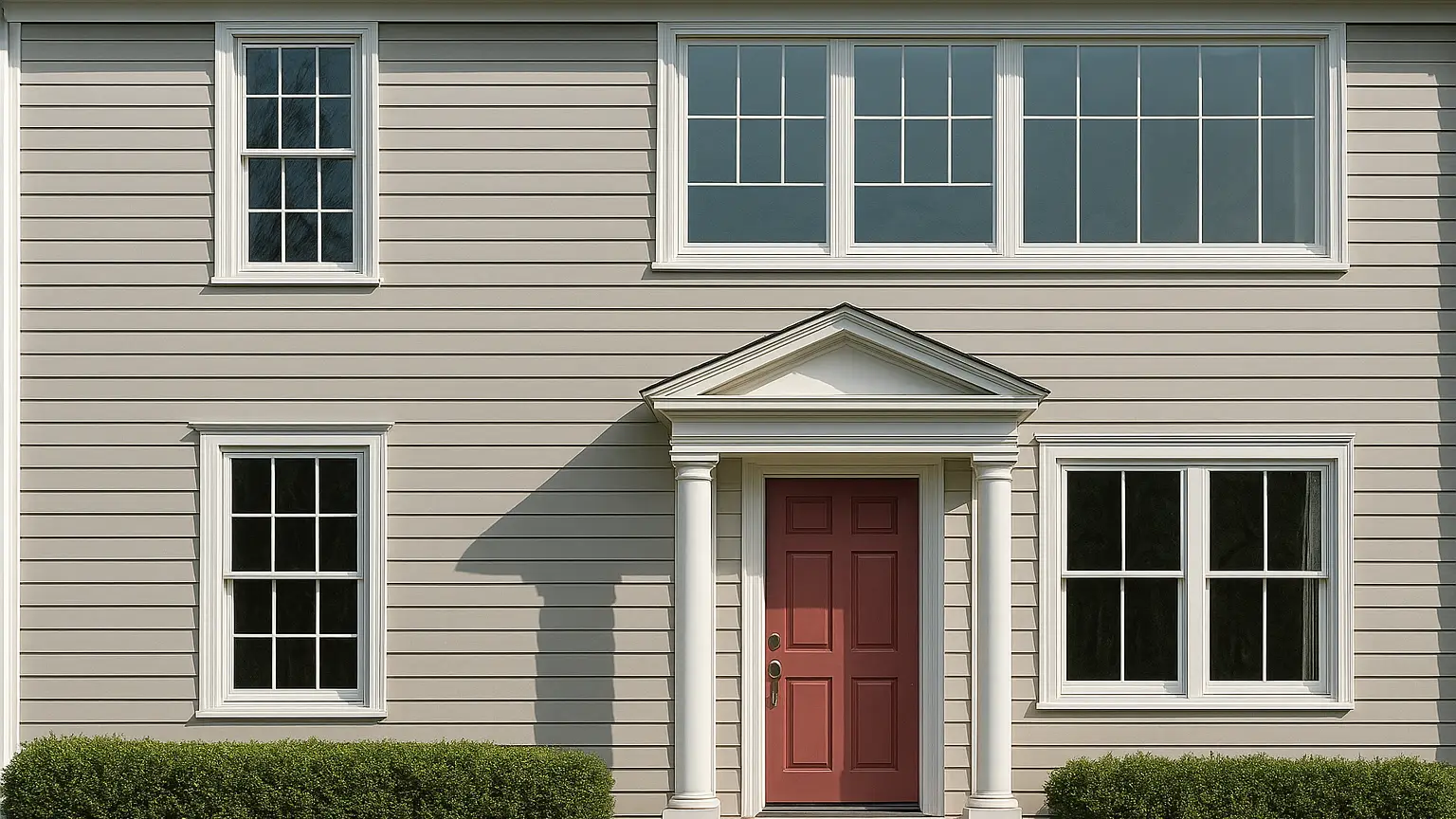
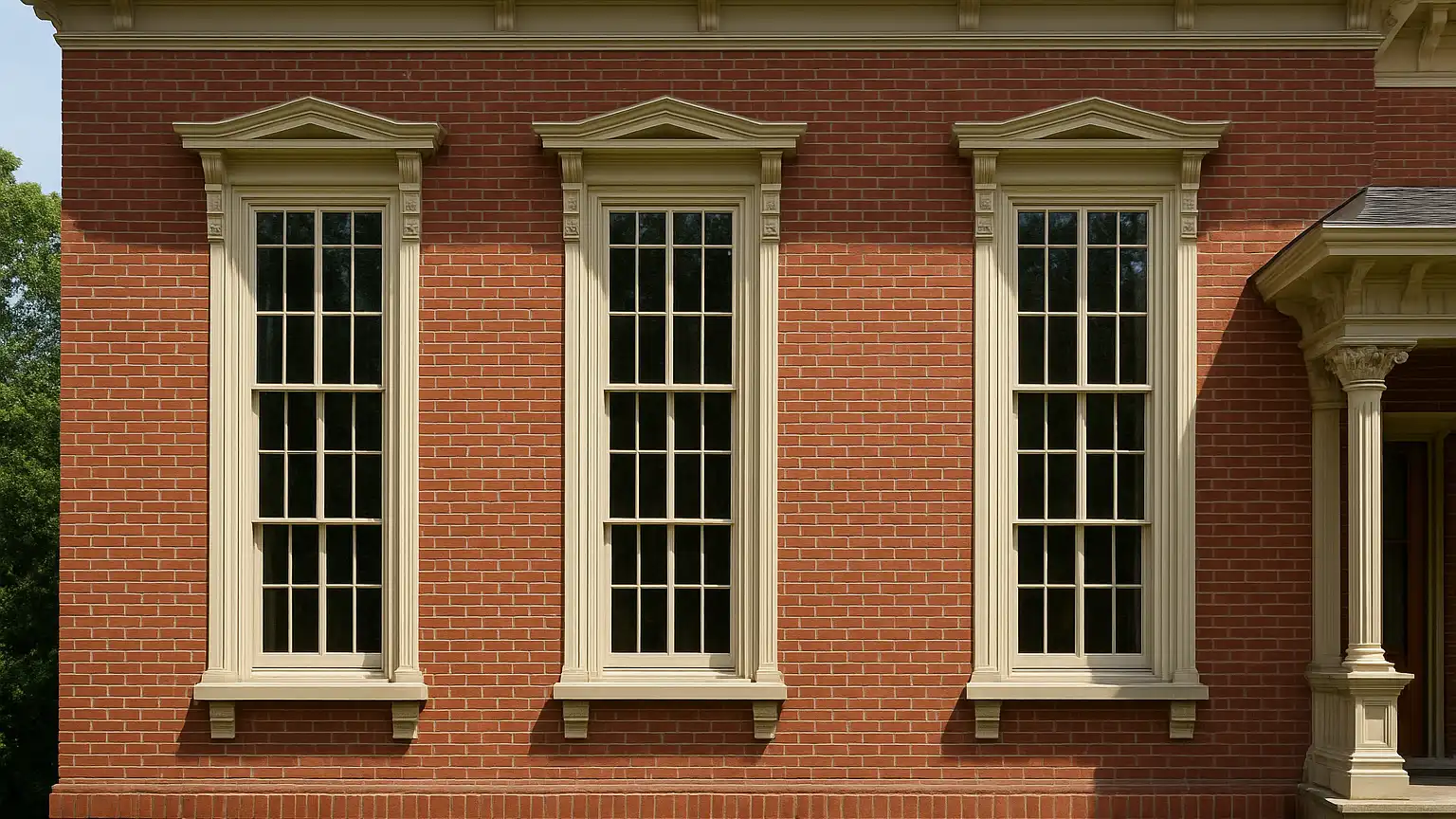
Most homes built before the 1970s were designed around vertical windows: taller than wide, repeated in a steady rhythm across the facade. Mass-produced replacement windows trend wide and squat, because that is cheaper to ship and easier to install. So a homeowner swaps six tall double-hungs for six shorter, wider units, fills the gap at the top with trim board, and cannot figure out why the house suddenly looks like a motel.
Three things quietly go wrong when proportion slips:
- The eye loses its rhythm. Traditional facades rely on evenly spaced, matching openings. One odd unit breaks the pattern and the brain flags it instantly.
- The ceiling looks lower. Shorten the glass and you visually drop the roofline, the fastest way to make a two-story house read as squat.
- The trim stops making sense. Filler boards and mismatched sills are the tell. Buyers may not name it, but they register it as "something was done cheap here."
The same principle shows up elsewhere in a remodel. What separates homeowners who replace floors twice from those who get it right the first time is this exact habit: matching the material to the house instead of to the showroom display.
What Actually Belongs on Your Style of House
Every architectural style carries a window vocabulary. You do not have to follow it to the letter, but you need to know what it is before you break it.
Colonial and Colonial Revival
Symmetry is the whole point: double-hungs, evenly spaced, taller than wide, with true or simulated divided grilles in a 6-over-6 or 9-over-6 pattern. Casements look wrong here, and so does a picture window punched into the front elevation. If you want more glass, widen the opening with paired or triple double-hungs rather than switching operating style.
Craftsman and Bungalow
The signature is the upper-sash grille only: four or six vertical lights over a single clear pane below, framed by wide, chunky trim that matters as much as the glass. Grilles running all the way down turn a Craftsman into something vaguely Colonial and vaguely confused.
Ranch and Mid-Century
Here the rules flip. Horizontal is correct: sliders, wide fixed picture units flanked by narrow operable panes, clean frames with minimal or zero grilles. Adding colonial grilles to a 1958 ranch is the most common style mistake out there, and it dates the house by decades in one afternoon.
Cape Cod and Victorian
Capes want modest, cottage-scale double-hungs with multi-light grilles, and dormer windows smaller than the first-floor units. Oversize the dormer glass and the roof looks like it is straining. Victorians go the other direction: tall, narrow, often arched or bay-projected, with one-over-one or two-over-two double-hungs historically correct on many late examples, which surprises people who assume every old house wants tiny panes. Decorative transoms and stained accent glass earn their keep here.
Split-Level
The trickiest one. Split-levels mix a horizontal lower band with a vertical upper section, and the windows need to respect both: grouped horizontal units below, taller units above, and a deliberate transition at the entry. Ignore that and the two halves of the house stop speaking to each other.
Climate pushes back against pure style logic in some regions, which is why sun-drenched markets get their own scrutiny in roundups covering window replacement in Arizona, where west-facing glass has to survive conditions a New England Colonial never sees.
Get a straight answer on scope, sequence and cost from a licensed Arizona remodeling team before anything gets torn out.
What a Mismatch Actually Costs at Closing
Appraisers rarely write "wrong window style" on a report. What they write is a lower adjustment for condition or appeal, and the homeowner never learns why. Agents are blunter: a house with grille patterns fighting its roofline gets fewer showings, and the ones it gets end with buyers saying the place "needs updating" even though the windows are three years old.
The cruel part is the timing. Style mismatch does not show up the week after installation, when everything is clean and shiny. It shows up the day you list. By then, replacing a full set of windows a second time is not a repair, it is a second project at full price.
Warning Signs Worth Checking Today
- Filler trim above or below a window, added to make a smaller unit fit an older opening
- Grille patterns that differ between the front and side elevations
- One picture window interrupting an otherwise symmetrical facade
- Upper-floor windows wider than the ones below them
- Grilles floating between the panes on a house whose style calls for raised exterior bars
Catching these small mismatches is the same discipline that prevents problems elsewhere. The 30-day mistake that quietly ruins a fresh interior install comes from the same root cause: treating a finish decision as a one-time purchase instead of part of a whole system.
Style Sets the Frame, Performance Fills It
Getting the shape right decides whether your house reads as cared for or cobbled together. A Craftsman with its top-sash grilles intact, a ranch with its horizontal lines respected, a Colonial whose symmetry holds across the whole front, these houses look intentional. That impression is worth real money, and it costs nothing extra if you decide before you order rather than after.
But the right-looking window is only half the equation, and the half that shows up on your utility bill is the one most people never inspect. Two windows can look identical on a showroom floor and behave completely differently once installed, depending on frame material, glass coating, and orientation. That is where two identical windows, one skyrocketing picks up the thread, and it is also why the installation method covered when replacement decision most homeowners get becomes the deciding factor can make or break everything you chose before it.