Part two looked at why two identical windows can behave completely differently once they are installed on different houses. Now comes the part that decides whether any of that performance actually shows up in your home: how the window goes into the wall.
This series was shaped in part by insights from Affordable Windows, whose team spends its days looking at the gap between what a window promises on the label and what it delivers once it is nailed, flashed, and sealed into an opening framed decades ago.
Two Paths Into the Same Opening
There are really only two paths, and most homeowners pick one without knowing they made a choice.
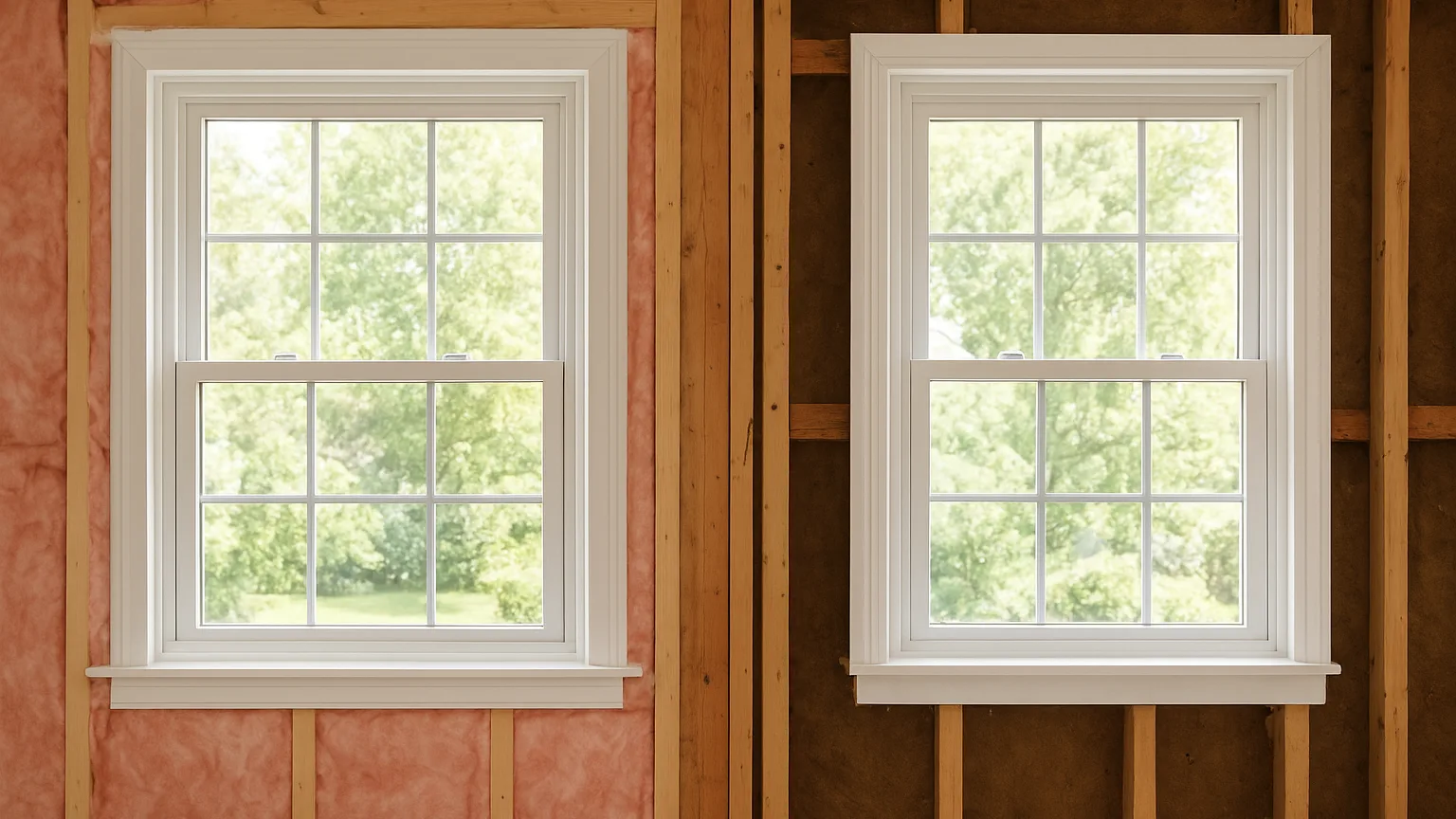
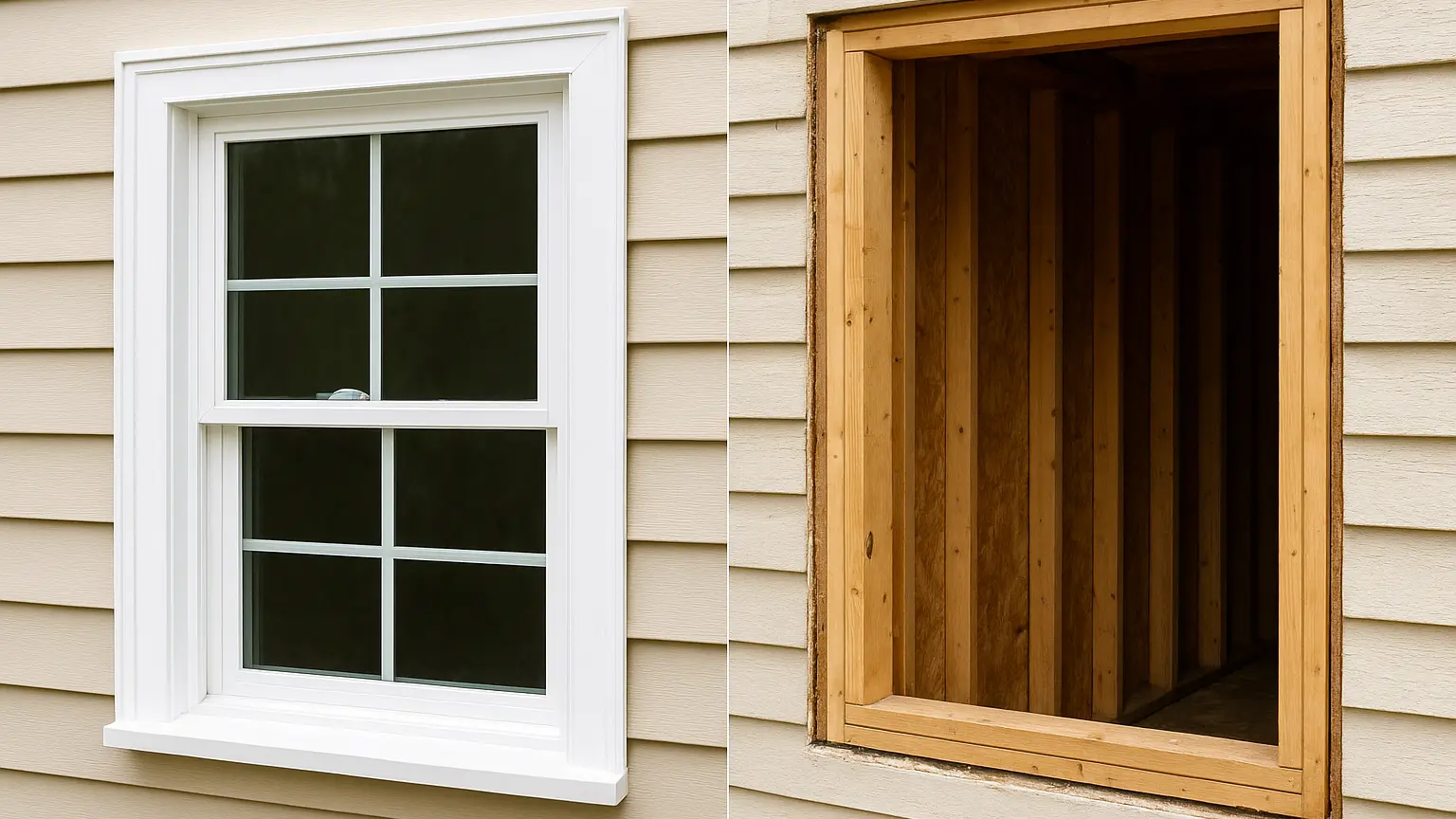
An insert replacement (or pocket window) slides a new window into the existing frame. The old sashes come out; the frame, sill, and exterior trim stay, and your siding and interior casing are never touched. It is faster, cleaner, and usually cheaper.
A full-frame replacement strips everything down to the rough opening. The installer sees the bare studs, can flash the opening properly, and can insulate the gaps that were never insulated right in the first place.
Here is where people get it backwards. Insert is not the "budget" option and full-frame is not the "premium upgrade." This is not a good-better-best ladder, it is a diagnosis. The condition of your existing frame decides which one you need, and if the frame is bad, an insert is not a savings. It is a delay on a bigger bill.
When an Insert Is the Right Call
- The existing frame is square, solid, and dry with no soft spots
- Your siding or brick is in good shape and you would rather not disturb it
- Interior trim is original or custom and worth preserving
- You are fine losing roughly an inch of glass area on each dimension
When Full-Frame Is Worth the Disruption
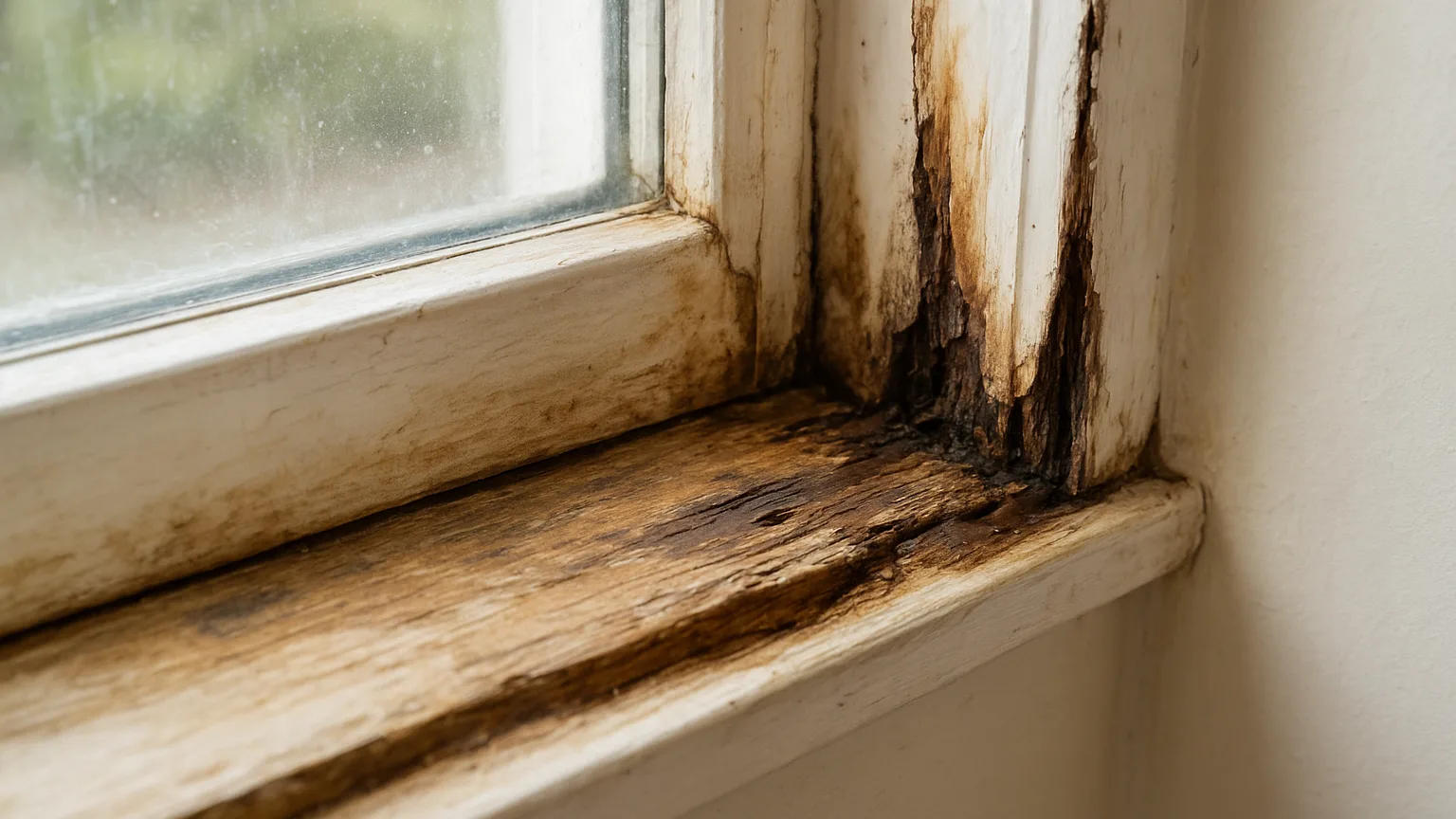
- Any rot, water staining, or crumbling at the sill or jambs
- The opening is out of square or the old window was never flashed
- You are changing the window's size, shape, or operating style
- Old aluminum or steel frames that conduct cold straight through the wall
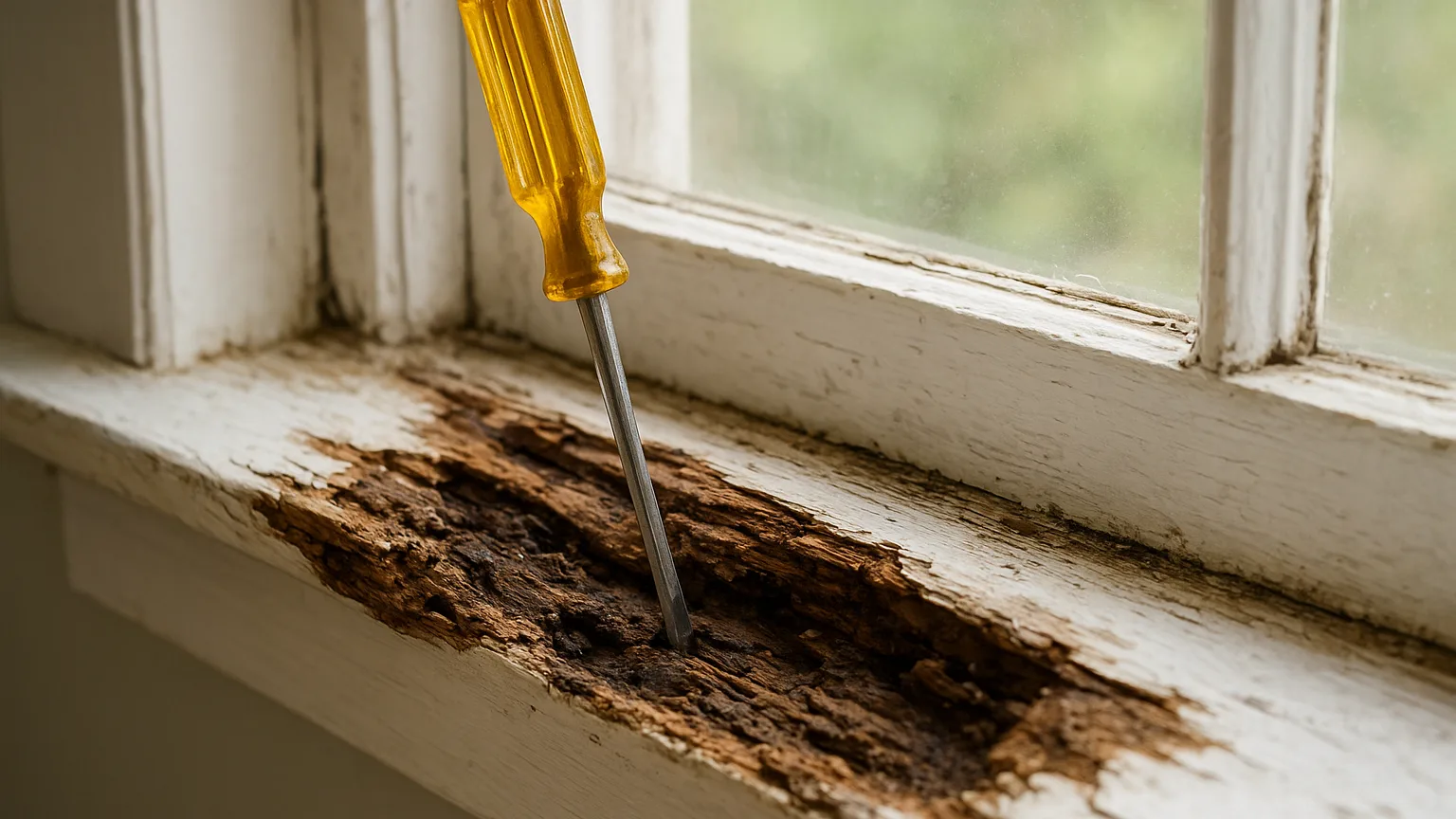
What a Screwdriver Tells You in Twenty Minutes
The most common surprise on a window job is water damage nobody saw coming. It shows up on demolition day, the crew stops, and you get a change order. You can catch most of it yourself in about twenty minutes with a screwdriver and a flashlight.
Start at the bottom. Water loses to gravity every time, so sills and lower jamb corners rot first. Press the tip of a screwdriver into the wood at the sill corners. Healthy wood pushes back; rot feels like stiff cardboard. If the tip sinks a quarter inch under light pressure, the frame is compromised no matter how good the paint looks.
Then look for the softer clues:
- Peeling or bubbling paint on the interior stool or apron, which usually means moisture is coming from behind
- Dark tea-colored staining in the drywall below the window, often mistaken for old dirt
- A window that sticks in one season and not another, a sign the opening is moving
- Visible daylight at the corners with the window shut
- Condensation between the panes, which tells you the seal failed and the unit is already done
Water always tells you where it has been if you know where to look, which is why the people who understand how moisture travels are also the ones who never deal with grout turning gray a year after a bathroom job.
Sizing catches people too. Inserts shrink the visible glass. On a large picture window nobody notices; on a small bathroom or stairwell window, losing an inch on each side can push a bedroom opening below egress code or make a room feel noticeably darker. Measure your existing glass, subtract an inch each way, and decide whether you can live with the result before you sign.
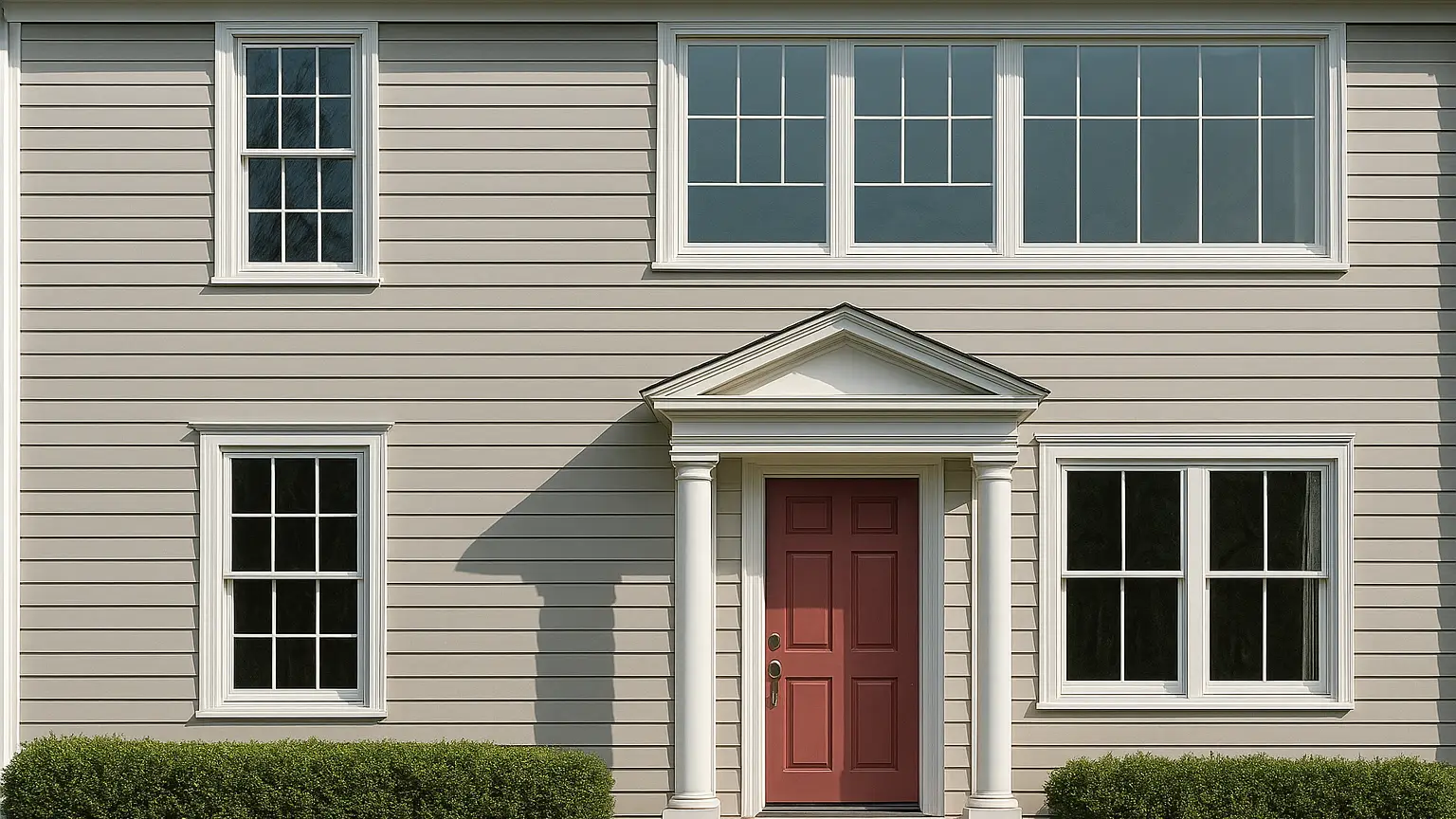
A full-frame job is also your one chance to correct an opening that never fit the house, which matters when "style mismatch" that quietly ages is part of the reason the front elevation looks off.
Get a straight answer on scope, sequence and cost from a licensed Arizona remodeling team before anything gets torn out.
Timing the Job So You Only Pay Once
Order of operations saves more money on window projects than any discount. Windows come before interior paint, new trim, and flooring near the openings. They come after roofing and after any siding work that changes the wall plane. Doing windows last means paying twice to patch drywall and touch up casings you just finished.
That is the same thinking behind choosing to rough in solar before shingles go down. The cheap moment to do a thing is while the wall or roof is already open.
Can You Really Install Windows in Winter?
Yes, with conditions. Crews work one opening at a time, so the house never sits wide open. The real limits are chemical. Most sealants and expanding foams have a minimum application temperature, and exterior caulk applied to a frozen or damp surface will not bond. A good crew checks product temperature ratings and surface moisture before the first bead goes down.
"The failures we see in cold-weather installs almost never come from the window itself," says Marcus Reyes, installation manager at Affordable Windows. "They come from sealant applied to a surface that was too cold to accept it, and nobody finds out until the first spring rain."
Questions to Ask Before You Sign
- Is this bid insert or full-frame, and what did you see that made you recommend it?
- What happens to the price if you open the wall and find rot? Get the hourly and material rate in writing.
- What flashing and sealing method do you use, and in what order?
- How will the gap between the frame and the rough opening be insulated?
- Who handles interior trim and exterior caulking, and is it in this number?
- Who honors the labor warranty if the manufacturer and installer are different companies?
Ask for the answers on paper. A vague bid is a bid that is planning to grow. And protect the rest of the house during finishing, because the same carelessness that scratches a new sill creates the 30-day mistake that quietly ruins fresh flooring.
Where the Whole Series Lands
One idea kept surfacing across these three articles. A window is not a product you buy; it is a relationship between a piece of glass and a specific house. Architectural style decides which shapes and grille patterns belong on your elevation. Frame material, glass coatings, and sun exposure make the same unit a bargain on one wall and a liability on another. And even a perfect window fails in a rotted frame with bad flashing.
So before the temperature drops, walk your house. Press a screwdriver into every sill. Note which rooms are cold and which windows fog. Write down what you find, then ask a contractor to explain what they see and why their recommendation follows from it. Homeowners who make that walk get windows that fit the house they actually own. Everybody else gets windows that fit a catalog, and pays the difference every winter until they do it again.