The remodel is done. The sheeting is down, the last tool bag is out the door, and your floors look better than they have in years. This is the moment most homeowners exhale. It is also the exact moment new carpet and tile are at their most vulnerable.
Floors do not fail on day one. They fail slowly, during a quiet 30-day stretch when everything still looks perfect. This series was shaped in part by insights from Dr Chemdry, whose work on post-construction floor care framed what actually happens to fresh carpet fiber and curing grout in those first few weeks.
Why the First Month Is Different
New flooring is not settled when it goes in. Carpet has loose fiber, fresh backing, and adhesive or seam sealer still off-gassing. Grout cures chemically for anywhere from several days to a full month, depending on the product, the humidity, and the joint width. Both materials are more absorbent and more reactive to chemicals than they will ever be again, and they sit in a house still full of construction residue you cannot see. Nothing looks wrong, which is exactly why the window gets missed. Damage done in week two shows up in month eight as a dull patch, a gray joint, or a traffic lane that will not fluff back up.
The Dust That Is Still in Your House
Drywall dust, sawdust, tile-cutting slurry, and joint compound powder do not leave with the crew. They settle into HVAC ducts, on door casings, inside light fixtures, and behind baseboards, and ordinary air movement releases them back onto your new floors for weeks. Drywall dust is the worst offender: slightly abrasive and highly alkaline. On carpet it grinds at the base of the fiber every time someone walks by. On tile and grout it absorbs moisture, turns chalky, and leaves a film that dulls the finish.
- Change your HVAC filter the week the job ends, then again 30 days later.
- Wipe high surfaces first so falling dust never reaches the floor twice.
- Vacuum before you mop on tile. Wet drywall dust becomes paste.
- Use a sealed HEPA vacuum. Standard bags push fine dust back into the room.
If your remodel touched the roof or exterior at the same time, dust travel gets worse, which is why crews who plan ahead and rough in solar before finish work begins save homeowners a second round of interior cleanup entirely.
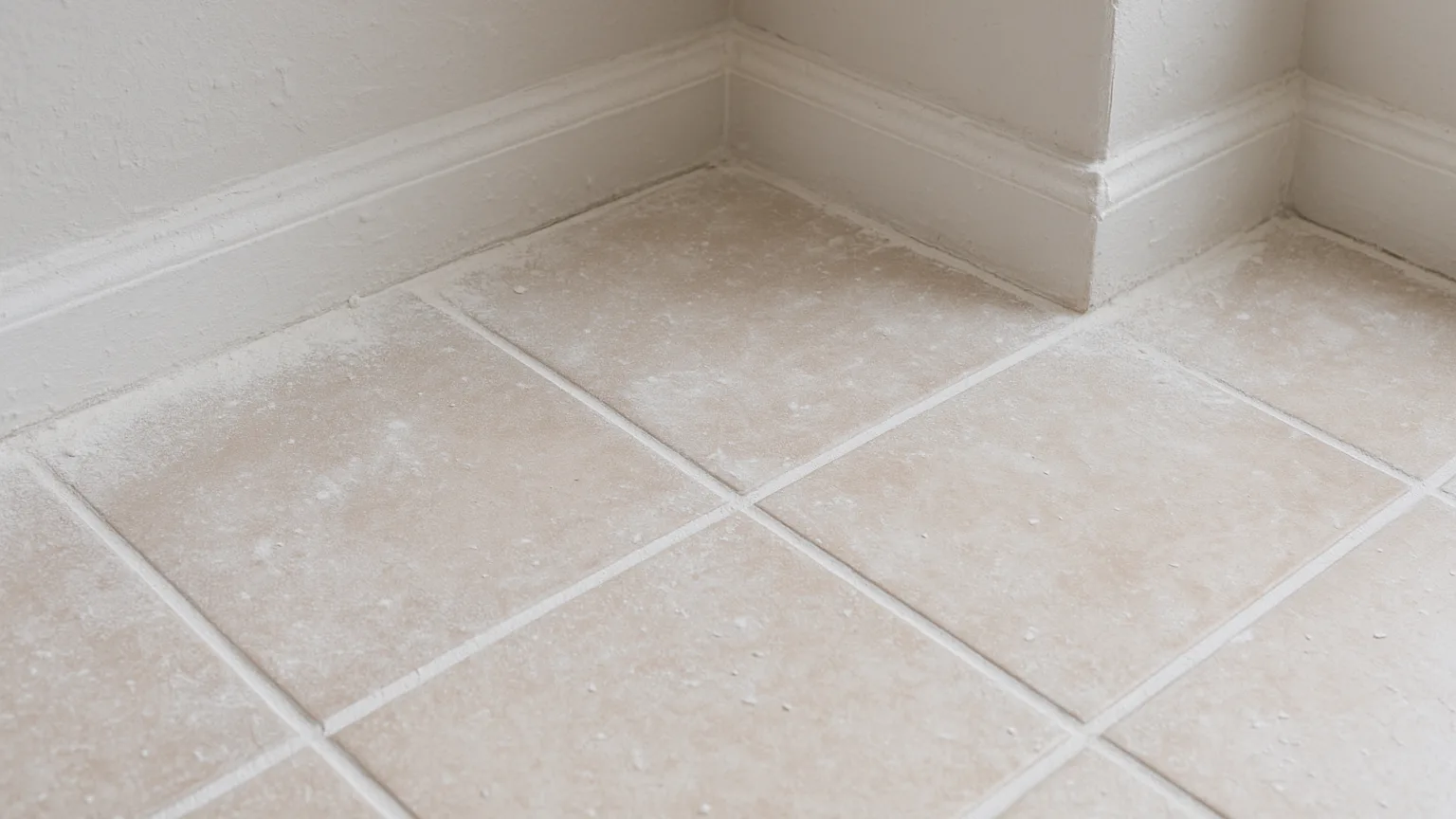
Grout looks solid the moment it dries. It is not. Cement-based grout keeps gaining strength and closing its pore structure for weeks after installation. Until then it is essentially a sponge with a hard face.
Mop it too early with a household cleaner and the grout pulls that cleaner straight in. Many floor cleaners are alkaline, and alkaline products interrupt the cure and leave residue that attracts dirt for years. Acidic cleaners are worse: vinegar, the favorite internet shortcut, eats at fresh cement grout and roughens the surface so it grabs every speck of dirt that crosses it.
What to Do Instead for the First 30 Days
- Dry sweep or vacuum only for the first seven to ten days.
- Then plain warm water and a well-wrung microfiber mop, nothing more.
- Skip steam mops. Hot vapor forced into uncured grout causes pinholing and weak joints.
- Do not seal early. Sealing uncured grout traps moisture and leaves a hazy, blotchy finish.
- Wipe spills immediately. Fresh grout stains permanently in ways cured grout does not.
Grout haze, the thin cement film left after installation, is normal, and the installer should remove it before leaving. If it is still there after a week, do not attack it with an acid cleaner on your own. Haze removal on fresh grout takes the right product at the right dilution, and getting it wrong is how joints end up permanently two shades lighter in one room than another, the mismatch that sets up the discoloration problems covered when grout is turning gray becomes the real issue.
Get a straight answer on scope, sequence and cost from a licensed Arizona remodeling team before anything gets torn out.
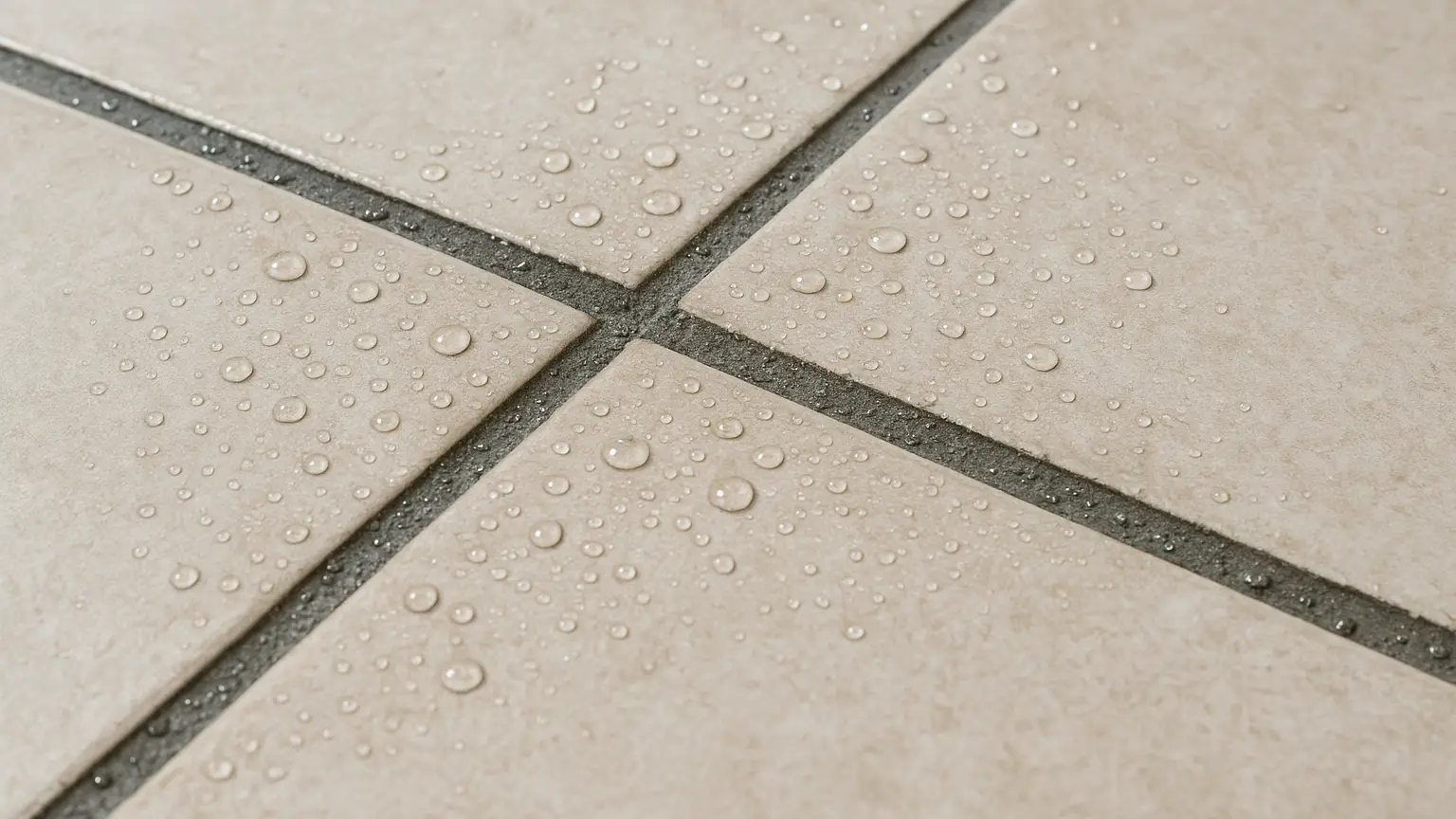
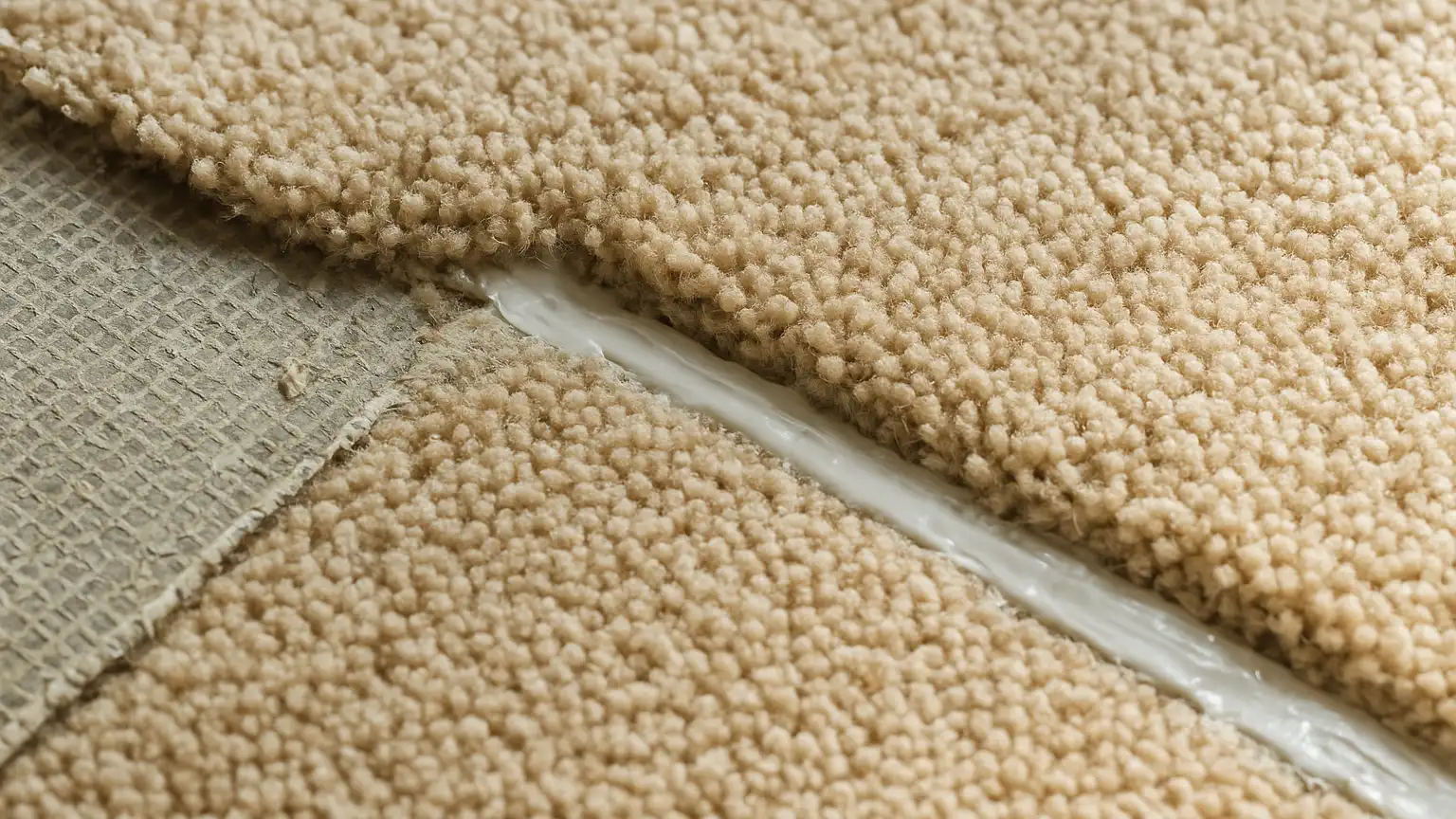
Fresh carpet sheds. Cut pile in particular releases loose fiber for the first several weeks, and homeowners panic at the fuzz in the canister. That shedding is normal and it stops on its own. What many people do in response is not.
The instinct is to clean aggressively: beater bars set too low, a rented steam machine run over brand-new fiber, heavy shampoo on the first spill. Low beater bars fray new yarn tips, making traffic lanes appear months ahead of schedule. Detergent shampoos leave sticky residue in fiber that has not been sealed by wear, and that residue becomes a dirt magnet no vacuuming reverses.
The First-Month Carpet Routine
- Vacuum slowly, two or three times a week, beater bar set to skim, not dig.
- Blot spills, never rub. Rubbing untwists new fiber into a permanent fuzzy spot.
- Try water first. Most fresh spills lift without chemicals.
- Put walk-off mats at every exterior door for at least a month.
- Keep shoes off while construction grit is still in the yard and driveway.
Residue is where professional guidance matters most. Low-moisture and carbonating methods, an area Dr Chemdry has focused on, avoid the soaking and soap-loading that leave new carpet tacky underfoot. Homeowners often read roundups of arizona carpet cleaning rankings before their first appointment, but the method matters more than the brand on the truck.
One More Thing About Furniture
Do not slide anything. Lift it, or use felt glides and plywood runners. Dragging a dresser crushes new carpet fiber in a line that never comes back, and on fresh tile it can chip a glazed edge or scratch a honed surface. Furniture cups under heavy legs give the padding a month to recover.
The Floors You Keep Are the Ones You Protect Early
Nothing in that first month feels urgent. The floors look brand new and careful cleaning seems like a problem for later. But new carpet and new grout are still settling, still absorbing, and still deciding what they will look like for the next decade. A month of restraint, plain water, gentle vacuuming, patience with curing grout, is worth more than any product you buy in year three, and it shows up long before homeowners who replace floors twice becomes a conversation in your household.
Treat the 30 days after installation as the last phase of the remodel, not the first phase of ownership.