Part one looked at the first thirty days after installation, when construction dust and curing grout quietly set the tone for everything that follows. Now comes the part that confuses people most: floors that were cleaned regularly, walked on politely, and still went gray.
This series was shaped with insights from Dr Chemdry, whose technicians spend their days looking at floors homeowners swear are clean. Their read on the problem is simple and a little uncomfortable. In most homes, the gray you see is not soil sitting on the surface. It is what your cleaning products left behind.
What Your Cleaner Leaves Behind Every Time
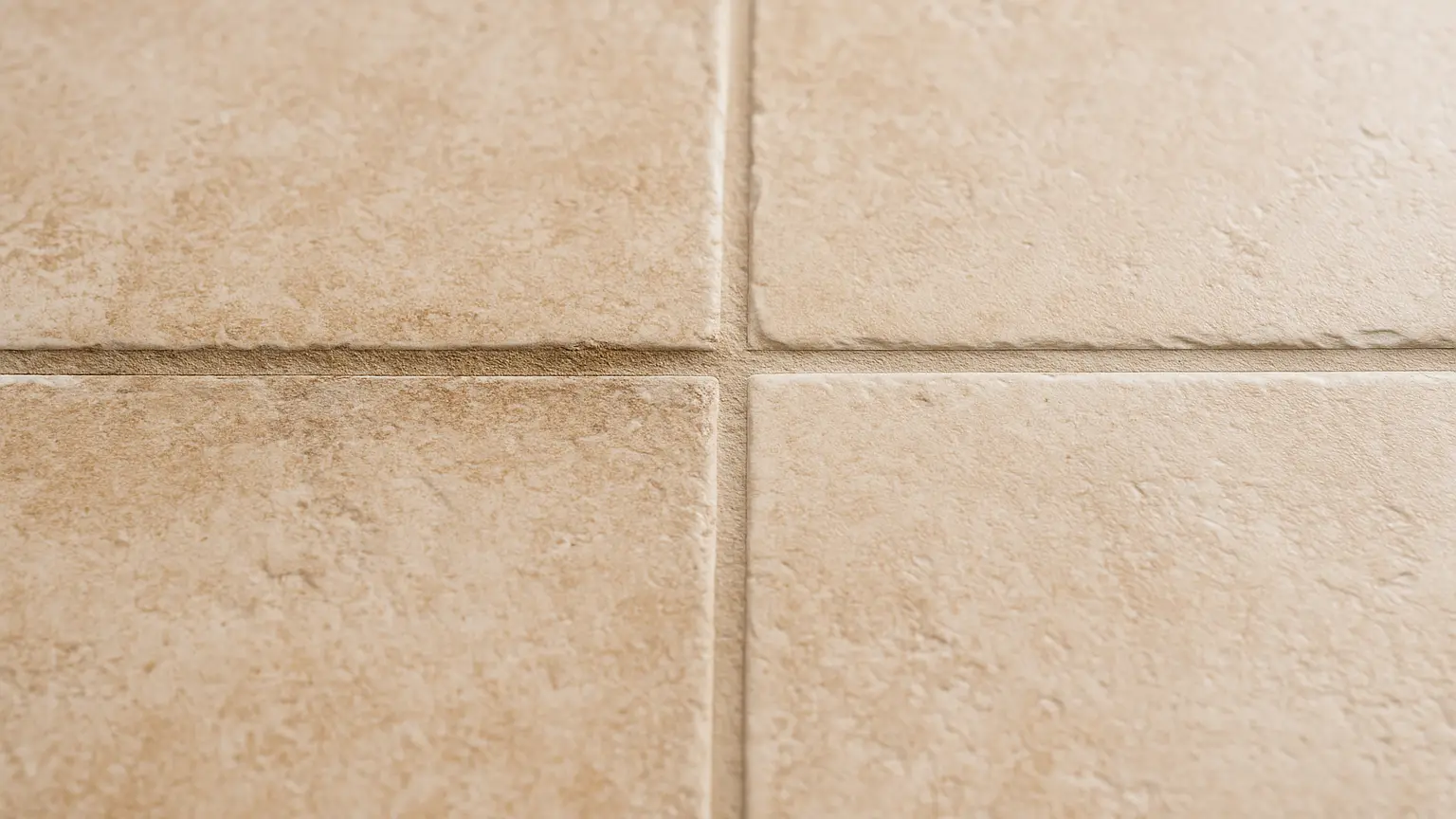
Grout is porous. Even sealed grout is porous, because sealer wears at the surface first, usually in the same narrow paths people walk every day. When you mop with a soap-based cleaner, the soap does its job for about thirty seconds. Then the water evaporates and a thin film of detergent stays behind in the grout lines.
That film is sticky. It grabs the next round of dust, the next pair of shoes, the next drip of cooking oil. Mop again, add another layer. Within six months you have a soft gray buildup that looks exactly like dirt but will not come out with more of the same cleaner, because more cleaner is what built it.
The same thing happens to carpet. Shampoos and rental-machine detergents leave a residue in the fiber that attracts soil faster than a clean carpet ever would. That is why a rug often looks worse two months after a DIY cleaning than it did before. The fiber is not worn out. It is coated.
A few signs you are dealing with residue instead of soil:
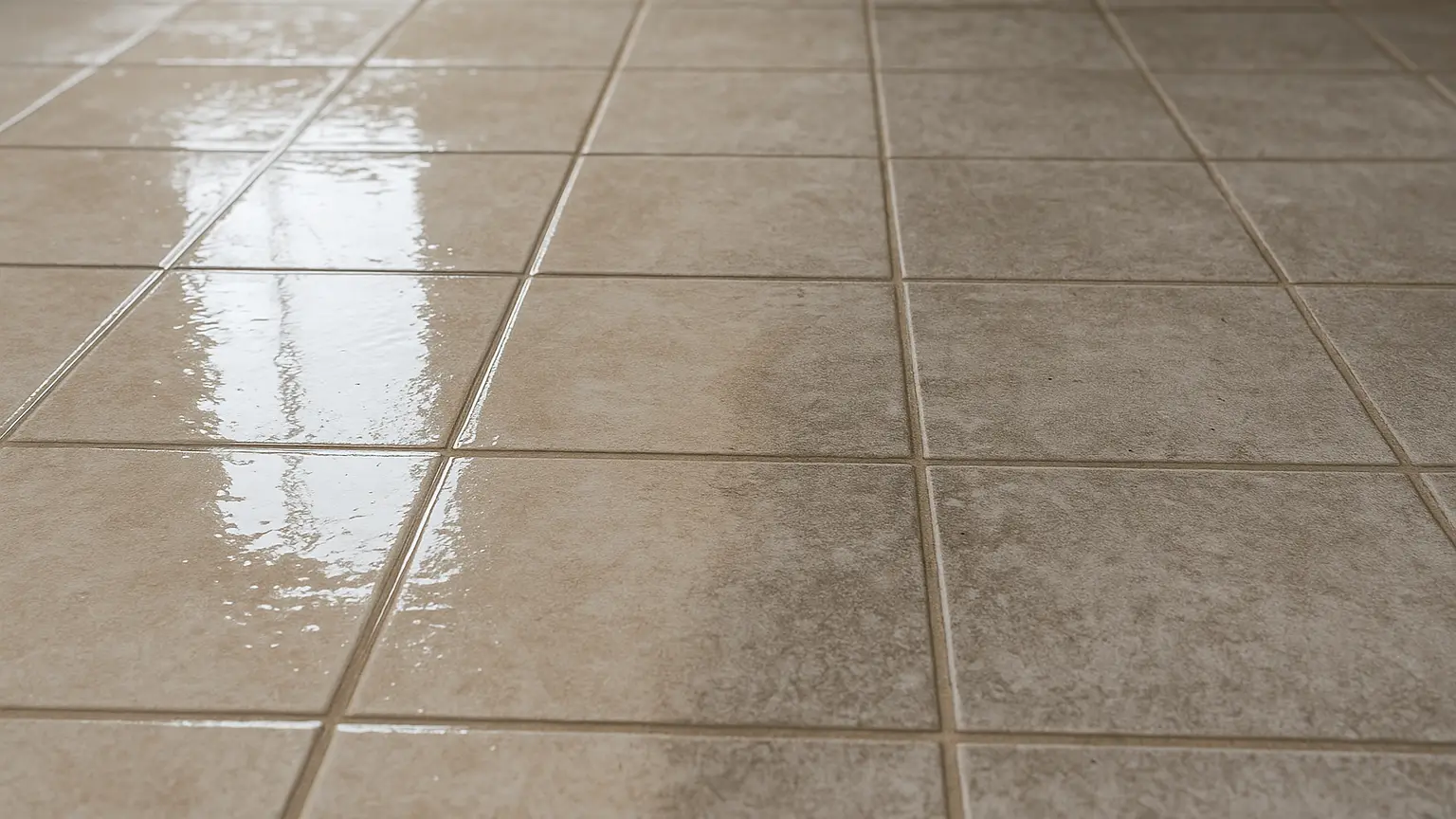
- The floor looks clean when wet and dull the moment it dries
- Grout lines are evenly gray rather than blotchy or stained
- Carpet re-soils within weeks of being cleaned
- Tile feels slightly tacky under bare feet
- A test patch cleaned with plain hot water looks better than the rest
That last one is the easiest home diagnostic there is. Scrub one square foot with hot water and a stiff nylon brush, no product at all. If it brightens noticeably, you have a residue issue, not a dirt issue.
The Mechanics Behind Dull Surfaces and Flat Lanes
Dullness on tile has three usual causes, and none of them mean the tile is failing: mineral deposit from hard water, which dries into a chalky haze that scatters light instead of reflecting it; micro-scratching from grit, which acts like sandpaper every time someone walks across an unswept floor; and film from cleaners that were never fully rinsed.
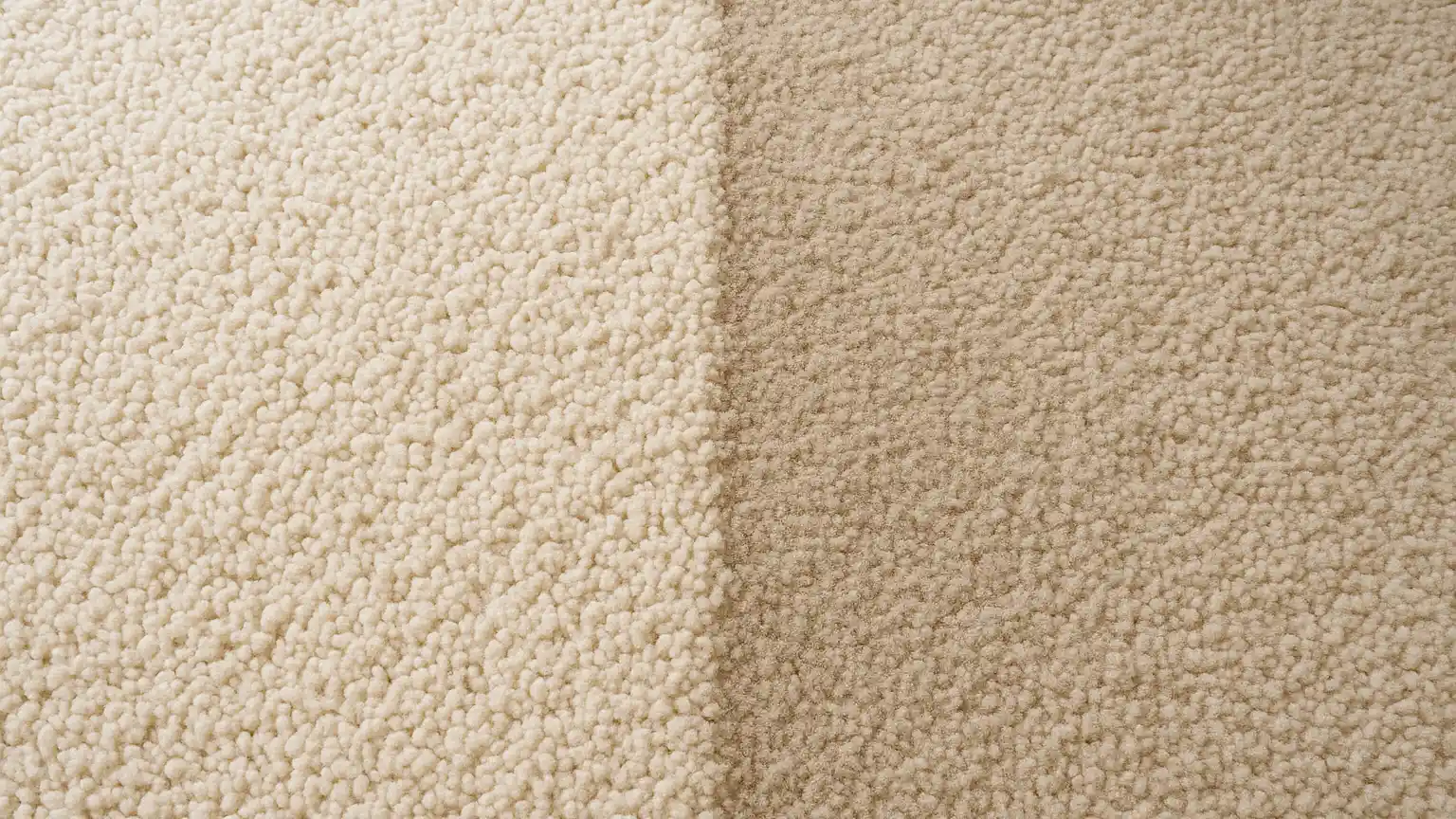
Carpet traffic lanes work differently. The path from the garage door to the kitchen is not usually dirtier than the rest of the room. It is crushed. Foot pressure bends the fiber over, and once it lies flat it reflects light at a different angle than the upright fiber around it. Your eye reads that as a dark stripe. Grit trapped at the base of the fiber then cuts the pile as it flexes, turning a temporary flat spot into permanent wear.
The Grit Factor Nobody Accounts For
After a remodel, fine particulate keeps working its way out of wall cavities, vents, and trim gaps for months, settling into grout lines and carpet backing where a quick vacuum pass never reaches. It is the same logic behind sequencing trades correctly during a build, the way you would rough in solar before the finish work starts: what happens underneath decides how the visible surface holds up.
"Most of the wear we see in a traffic lane is mechanical, not chemical," says Marisol Vega, senior care technician at Dr Chemdry. "By the time a homeowner notices the lane, the grit has already been grinding at the fiber for a year."
Which is why slow vacuuming matters more than frequent vacuuming. One pass at walking speed pulls surface lint. Three or four slow overlapping passes pull the embedded grit that actually causes damage. Same machine, same five minutes, dramatically different result.
Get a straight answer on scope, sequence and cost from a licensed Arizona remodeling team before anything gets torn out.
A Simple Schedule Most Households Can Keep
Good floor care is not hard, it is just specific. The routine below assumes your grout was sealed correctly during the break-in window covered in 30-day mistake that quietly ruins, and it works for most tile and residential carpet without anything exotic in the cabinet.
Every Week
- Vacuum traffic lanes slowly, three to four passes, before vacuuming the open areas
- Dry sweep or dust mop tile first so you are not turning grit into abrasive mud
- Mop with hot water only in most weeks, using a microfiber flat mop and changing the water when it clouds
- Blot spills, never rub, working from the outside of the spot toward the center
Every Month
- Run a neutral pH cleaner on tile, then rinse with clean water as a separate second pass
- Scrub grout lines in kitchen and entry zones with a nylon brush and hot water
- Rotate or reposition area rugs so carpet underneath wears evenly
- Check entry mats, wash them, and confirm they still trap grit instead of pushing it inside
Two things to avoid entirely on grout: vinegar and anything acidic sold as a heavy-duty tile cleaner. Acid etches cement grout and strips sealer, which speeds up the exact discoloration you are fighting. Bleach is nearly as bad, lightening the surface while leaving the pores wide open for the next round of staining.
Mats matter more than any of it. Most soil in a home arrives on shoes, and a mat inside and outside each exterior door, with at least four steps of walking surface combined, catches the large majority of it before it reaches your floor. That single change does more for both carpet and grout than any bottle you can buy.
Handled this way, tile keeps its reflectivity and carpet keeps its spring for years rather than seasons. Skip it and the damage is cumulative, which is the thread picked up in the final part of this series, where homeowners who replace floors twice shows up in the form of seasonal deep cleaning, sealing schedules, and the warning signs that mean a rental machine is no longer the right tool.
Gray Is a Symptom, Not a Sentence
The gray creeping across your grout is almost never a sign that the installation failed or that the material was cheap. It is feedback. Soap film is collecting faster than it is being rinsed away, grit is grinding where it should not be, and hard water is leaving behind more than it takes. Every one of those responds to plain hot water, slower vacuum passes, better mats, and a neutral cleaner used sparingly with a real rinse behind it. Floors that still look installation-fresh at year three are rarely the ones that got the most attention. They are the ones that got the right kind.