
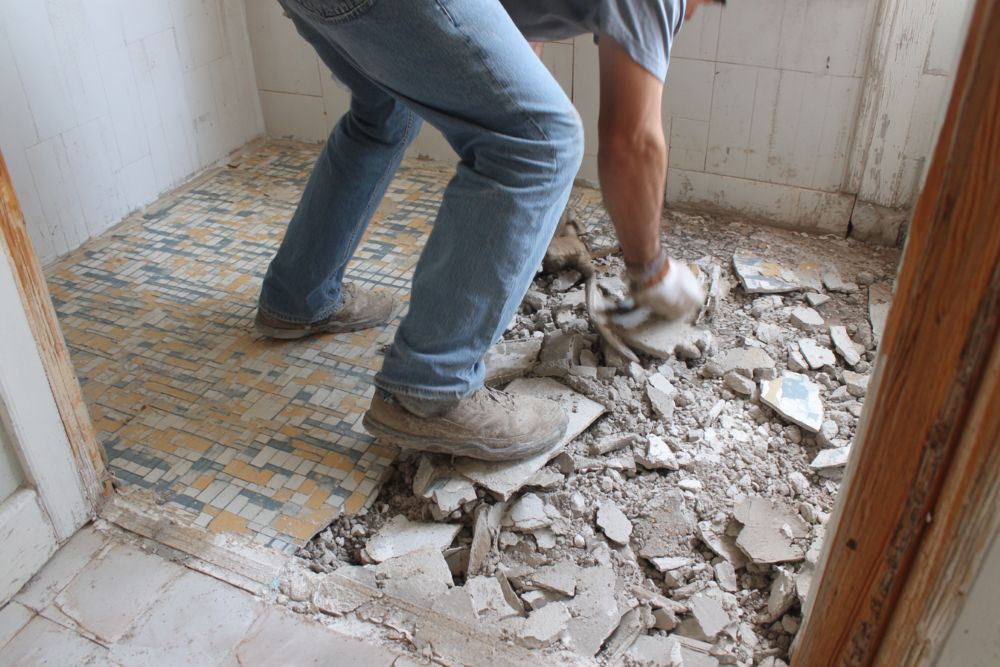
“It’s just tile removal—how expensive could it really be?” Many homeowners confidently start their remodeling projects believing tile removal is a simple, straightforward job. Unfortunately, reality often paints a different picture, filled with hidden expenses and unexpected challenges that can quickly inflate your budget. If you’re planning a remodel, understanding the true costs and complexities of tile removal is crucial. Let’s pull back the curtain and reveal the full picture.
The cost of tile removal is not a one-size-fits-all affair. It varies widely based on your location, the extent of the project, and several other factors. On average, homeowners pay between $1 to $3 per square foot for tile removal, but this can escalate to $4 or more per square foot in complex situations. If you’re working with experienced home remodelers like the team at Oak and Steel Remodeling, they will provide a detailed quote that takes all the unique aspects of your project into account.
Let’s explore what can drive up the cost of tile removal and why a project that seems simple on the surface can quickly become a major expense.
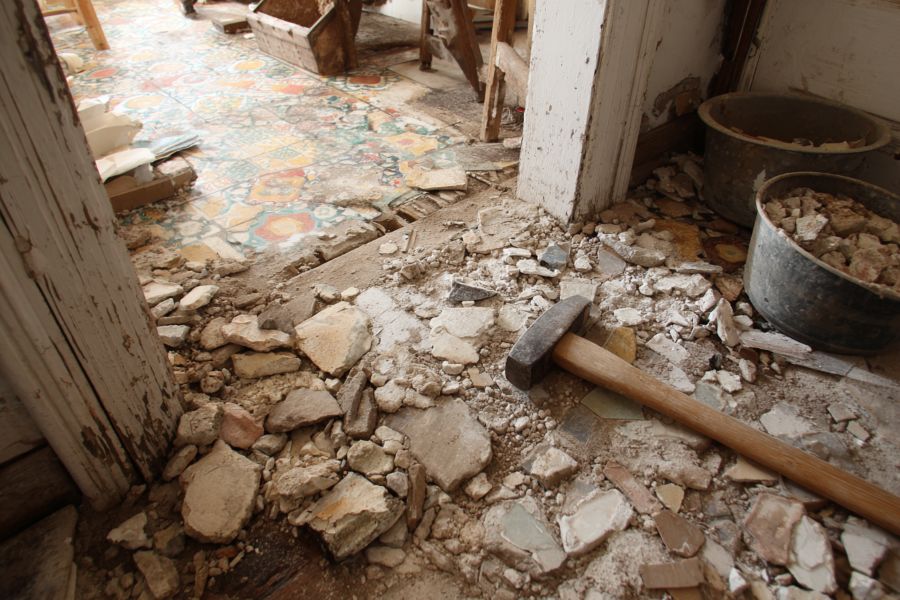
According to one of the top flooring companies in Glendale, Brandi Carpet, one of the most common hidden expenses during tile removal is the repair or replacement of the subfloor. Tiles often conceal underlying damage, which only becomes apparent after the removal process begins. Rotten wood, wateramage, mold growth, or uneven subfloor surfaces can dramatically increase your costs., one of the most common hidden expenses during tile removal is the repair or replacement of the subfloor. Tiles often conceal underlying damage, which only becomes apparent after the removal process begins. Rotten wood, water damage, mold growth, or uneven subfloor surfaces can dramatically increase your costs.
Each of these hidden issues demands immediate attention to ensure the durability and safety of your new flooring installation.
Another unforeseen cost comes from specialized equipment necessary to remove tile properly. Simple hand tools might suffice for small areas, but larger projects typically require specialized power equipment like tile removers, grinders, or dust containment systems.
Rental or purchase of this specialized equipment can add hundreds of dollars to your budget, a cost often overlooked in preliminary planning.
Tile removal generates substantial waste, more than homeowners typically expect. Disposal fees, dumpster rentals, or hauling services can quickly add unexpected charges to your remodeling budget.
Efficient waste disposal planning ensures smoother project execution, helping you avoid budget overruns.
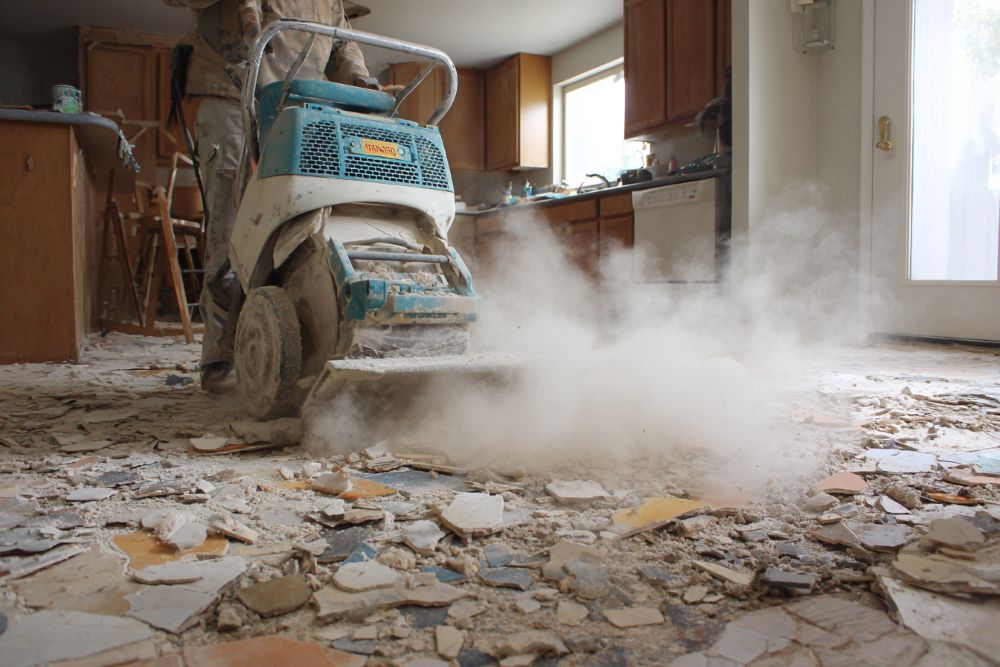
Tile removal generates significant dust and debris that can permeate your entire home, impacting air quality, cleanliness, and comfort. Proper dust containment measures, like sealing doorways, HVAC system protection, and using air filtration devices, add further expenses.
Costs associated with these preparations are frequently unanticipated, yet they’re vital to maintaining your home’s environment.
Tile removal can inadvertently damage adjacent fixtures, baseboards, walls, or cabinetry. Repairing these damages involves additional labor, materials, and time, inflating overall costs unexpectedly.
Careful planning and execution help mitigate such risks, but preparation for repairs is essential.
Hiring experienced professionals significantly reduces hidden costs by accurately assessing potential issues beforehand. Skilled tile removal experts provide detailed estimates covering common hidden costs and advise on necessary precautions to minimize expenses.
According to the experts at Brandi Tile Removal, hiring professionals can save homeowners up to 25% on overall costs associated with unexpected repairs and cleanup. Arizona Home Floors emphasizes that trained professionals identify potential issues early, manage dust control efficiently, and significantly decrease the risk of costly collateral damage.
Effective budgeting involves anticipating the hidden expenses we've explored. Below are valuable tips to help you prepare financially for tile removal:
If budget constraints are tight, alternative solutions can reduce or avoid some of these hidden costs entirely. These alternatives can provide similar aesthetic updates without incurring substantial expenses.
Considering these alternatives can provide substantial savings while still achieving the desired aesthetic impact.
Homeowners often consider DIY tile removal as a cost-saving measure. However, inexperienced tile removal can inadvertently lead to higher overall expenses due to unexpected complications and damages.
Professional services, although initially more expensive, frequently save homeowners money long-term by avoiding these common pitfalls.
Understanding tile removal as an investment rather than merely a short-term expense is crucial. High-quality work reduces future repair costs, improves home value, and contributes to the overall longevity of your remodel.
Investing wisely at the tile removal stage ensures long-term returns on your remodeling efforts.
Clearly, tile removal encompasses much more than simply removing old flooring. Hidden costs, from subfloor repairs to debris disposal and damage control, can significantly inflate your home remodeling budget if overlooked. By understanding and anticipating these potential expenses, you can effectively manage your renovation finances and avoid costly surprises.
Accurate budgeting, professional consultation, and proactive planning help ensure that tile removal doesn't become a financial headache. Rather, it becomes a manageable and predictable part of achieving your dream home renovation.
As you move forward with your remodel, ask yourself this critical question: Have you thoroughly considered all the hidden costs involved in tile removal, and are you ready to budget accordingly to ensure a seamless renovation experience?
Award-winning home remodeling for Phoenix homeowners. Kitchens, bathrooms, whole-home renovations, and more. Serving the Valley for over 25 years.
Marketing by Soderman SEO Company in Phoenix
Phone
(602) 502-1285Service Area
Phoenix Metro Area, AZ
Hours
Mon-Fri 8am-6pm · Sat 9am-2pm
© 2026 Oak and Steel Remodeling. All rights reserved.